What Pet Trainers Are Actually Using in 2026
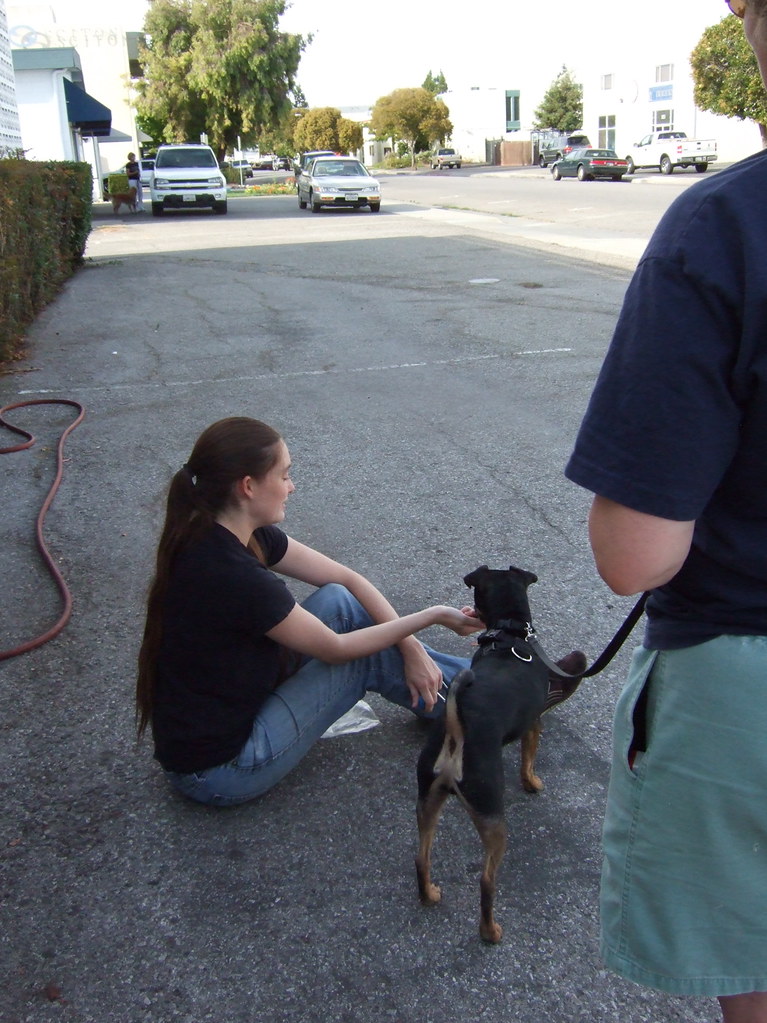
My neighbor knocked on my door at 7:15 on a Tuesday morning holding her eight-month-old border collie mix by a leash that was basically a suggestion. The dog had already eaten two throw pillows, destroyed a baby gate, and figured out how to open the back door. She’d tried YouTube tutorials, a group class at the local pet store, and a trainer who showed up with a choke chain and zero explanation. “Nothing works,” she said. I gave her coffee and a different answer.
Here’s what I think most people get wrong about pet training in 2026: the problem isn’t that owners lack dedication. It’s that the industry has split into two completely different philosophies — and nobody tells you which one your trainer actually follows before you hand over $150 for a session. One side is still running dominance-based methods dressed up in modern vocabulary. The other is genuinely evidence-based, drawing from behavioral science, and it looks almost nothing like what most people picture when they hear “dog training.” That gap explains a lot of failed leashes and eaten pillows.
1. Force-Free Has Stopped Being a Niche and Become the Default
Positive reinforcement training — rewarding the behavior you want, ignoring or redirecting the behavior you don’t — has been around for decades. But for a long time it lived at the edges: the certification programs that nobody’s vet mentioned, the trainers who were slightly evangelical about it. That’s changed. Industry surveys from major professional trainer organizations show that the majority of certified trainers now identify primarily as reward-based practitioners. Not all of them. But the majority.
What this looks like in practice: a trainer working with a reactive dog on leash is no longer trying to correct the dog out of the reaction. They’re building a different emotional response to the trigger — teaching the dog that a stranger across the street predicts cheese, not danger. The behavior changes because the underlying emotion changes. It’s slower upfront. It tends to hold longer.
The shift also shows up in what trainers carry. A few years ago, a trainer’s bag might have a prong collar “just in case.” Now the standard kit in most professional settings is treat pouches, a clicker or a marker word, a long line, and some kind of high-value reward — often real meat, not kibble. Small detail, but it tells you everything about the philosophy in the room.
2. Technology Has Finally Gotten Useful — With One Big Caveat
AI-assisted training apps have been around for a couple of years, but 2026 is when they started doing something actually worth paying attention to. Several apps now use your phone camera to analyze your dog’s body language in real time — flagging stress signals like a tucked tail, whale eye, or yawning during a session. That kind of feedback used to require a trained eye in the room. Now a first-time owner can get a nudge that says, basically, “your dog is done for today.”
I’ve tested two of these apps with my own dogs. The accuracy is genuinely impressive for basic signals. Where it falls apart is nuance — context matters enormously in body language, and the apps don’t always catch that a yawn after a long training session means something different than a yawn when a stranger walks in. Use them as a starting point, not a verdict.
Wearable tech is moving fast too. GPS trackers have been standard for years, but newer collars are integrating activity tracking with behavioral data — logging when a dog is resting versus showing signs of arousal or stress throughout the day. Some trainers are using that data to identify patterns. A dog that spikes in activity every afternoon at 3:30 might be reacting to the school bus. That’s information you can work with.
The caveat: none of this replaces a real trainer for real problems. Separation anxiety, aggression, fear-based reactivity — these need a human who can read the whole picture. An app that tells you your dog looks stressed doesn’t tell you why or what to do about it in a way that’s actually safe and specific to your dog.
3. Virtual Training Has Matured Into Something That Actually Works
When remote sessions got popular out of necessity a few years back, a lot of trainers were skeptical — myself included, if I’m being honest. Watching someone train through a laptop screen felt like a compromise. Now I’d say virtual training is genuinely the right format for a large percentage of cases, not just a fallback.
Here’s why: most problem behaviors happen at home, in the dog’s actual environment, with the actual people the dog lives with. A trainer watching you try to get your dog to stop jumping on the kitchen counter is seeing something a trainer in a sterile training facility never would. The feedback is more relevant. The fixes are more realistic.
Rates vary widely — anywhere from around $60 to $200 per virtual session depending on the trainer’s credentials and your location — but the access it creates is significant. If you live somewhere rural, or you have a dog with severe reactivity who genuinely can’t be in a group class, virtual training used to be a last resort. Now it’s a first call for a lot of trainers I respect.
4. Cats Are Finally Getting Real Training Attention
I know. Stay with me.
For a long time, cat training was treated as a quirky hobby or a trick to post on social media. What’s happened over the past two years is a genuine shift in how veterinary behaviorists and certified trainers talk about cats — specifically around enrichment, fear reduction, and what’s called “cooperative care,” which means training cats to voluntarily participate in their own veterinary exams and medical care.
This matters practically. A cat that has been trained to accept handling, to step onto a scale willingly, or to hold still for an injection — that cat is less stressed at the vet, gets better care, and is easier to live with. Trainers who specialize in cats are increasingly using clicker training and target training (touching their nose to a stick on cue) as foundational tools. It works. It just requires accepting that cats train differently — shorter sessions, higher-value rewards, and zero tolerance for pressure.
5. A Real Case: Seven Days With a Reactive Dog
My neighbor took my advice. She found a certified trainer — specifically someone with credentials from a nationally recognized certification body — who used only positive reinforcement. First session was 45 minutes in her living room. No equipment demos, no commands. Just the trainer watching the dog move around and asking questions.
By day three of the protocol, the dog was offering eye contact voluntarily. By day five, they’d walked past two neighbors without a full meltdown — though one of those walks still ended with the dog lunging at a skateboard, because dogs are not software and Tuesday was apparently skateboard day in her neighborhood.
Day seven looked different from day one. Not fixed. Not even close to finished. But the owner had a framework she understood, a treat pouch clipped to her jeans every morning, and a dog that had started looking at her instead of at every threat on the horizon. That’s what early progress actually looks like. Not a transformation. A direction.
What Doesn’t Work: Four Approaches That Keep Failing
1. Flooding. Flooding means exposing a fearful animal to the thing that scares them at full intensity and waiting for them to “get over it.” This is still being used. It often makes fear worse, not better, and can permanently damage the dog’s trust in the person doing it. I have a strong opinion here: if a trainer suggests this, walk out.
2. Dominance theory in any form. The idea that dogs misbehave because they’re “trying to be alpha” has been thoroughly dismantled by behavioral science. Dogs aren’t staging a power grab when they pull on leash. They just want to sniff that thing faster than you’re walking. Treating normal dog behavior as a dominance challenge creates anxiety without solving anything.
3. Training in isolation from the rest of the household. One person works with the trainer. Everyone else in the house does whatever they were doing before. This almost always fails. If one person is reinforcing the behavior you’re trying to extinguish — letting the dog jump up “just this once,” giving food from the table, letting them bolt out the door — the training stalls. The whole household has to run the same protocol.
4. Buying equipment instead of changing behavior. No-pull harnesses, head collars, and management tools have their place. But I’ve seen owners cycle through four different harnesses trying to find the one that fixes leash reactivity. The equipment manages the symptom. The training addresses the cause. You need both, in that order of priority.
Three Small Things You Can Do This Week
You don’t need to overhaul anything. Start here:
- Spend five minutes this week just watching your pet. Not training, not correcting — watching. Notice what they do when they’re relaxed. Notice what changes when something makes them uncomfortable. You can’t train what you can’t see, and most owners are moving too fast to actually observe.
- Look up the credentials of whoever you’re working with — or whoever you’re considering. Certifications vary enormously in rigor. Organizations that require continuing education and written exams tend to produce trainers who are actually current. A quick search will tell you what the credential requires to earn and maintain.
- Pick one behavior to work on — one — and do two-minute sessions for the next five days. Not a 30-minute training marathon. Two minutes, twice a day, on a single behavior. The consistency does more than the length. That’s not motivational advice — that’s how behavioral learning actually works.
My neighbor’s dog can now walk past the school bus without losing her mind. It took about six weeks of consistent work and one trainer who knew what she was doing. The pillows are still gone, but the back door stays closed now. That counts.