Why Insect Protein for Pets Is Actually Worth Your Money
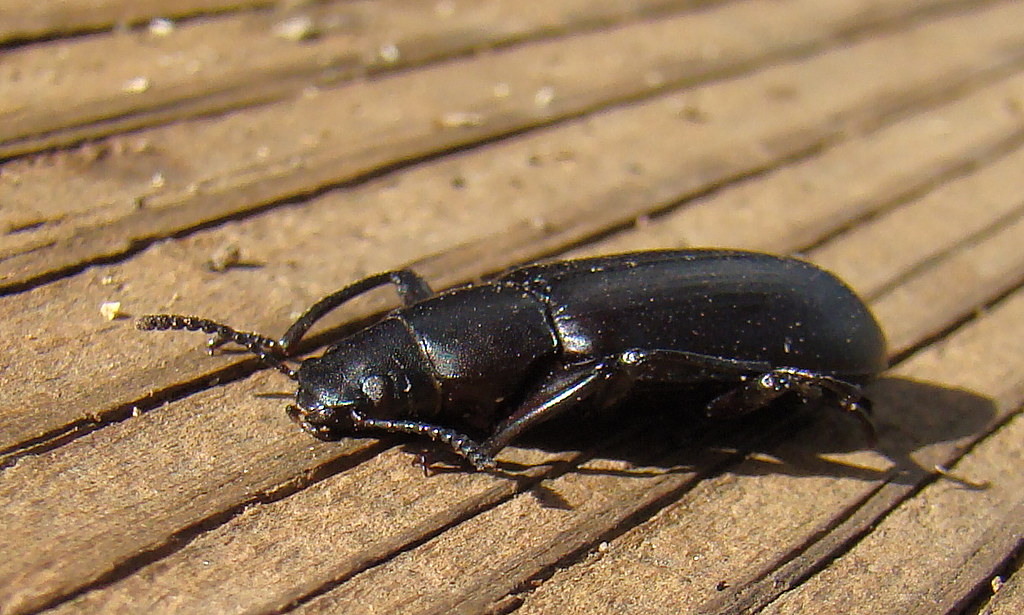
My dog Remy ate a cricket last summer — deliberately, from a bag I bought at a pet store in Denver — and did not die. In fact, his coat looked noticeably better within about six weeks. I wasn’t expecting that. I was honestly just trying to manage his chicken allergy without spending $90 a month on a hydrolyzed protein prescription diet that smelled like cardboard and made him miserable.
That experiment sent me down a rabbit hole I haven’t fully climbed out of. And what I found flipped my assumption about insect protein entirely. I’d been framing it wrong — thinking the question was “will my pet eat bugs?” The real question is why conventional protein sources are quietly failing a large percentage of pets in the US, and why most pet owners don’t connect the dots until their vet bill hits four figures.
The Chicken Problem Nobody Talks About at PetSmart
Here’s something most mainstream pet food marketing won’t tell you: chicken is now one of the most common food allergens in dogs. Not because chicken is inherently bad — it’s because it’s in everything. Dogs that have eaten chicken-based kibble since puppyhood can develop sensitivities over time through repeated exposure. The same pattern shows up in cats.
Industry reports from the pet food sector — including analyses published by market research firms tracking North American pet nutrition trends — consistently show that novel protein diets are among the fastest-growing categories in the $60+ billion US pet food market. “Novel protein” just means a protein source the animal hasn’t been overexposed to. That’s where insects come in. Black soldier fly larvae, crickets, mealworms — these aren’t gimmicks. They’re proteins most domestic dogs and cats have never encountered, which makes them genuinely useful from an immunological standpoint.
The Food and Agriculture Organization of the United Nations published a landmark report examining insects as a food source — for humans and animals — noting that insects can offer comparable or superior amino acid profiles to conventional livestock proteins, with a fraction of the environmental footprint. That report has been cited repeatedly in peer-reviewed animal nutrition research. It’s not fringe science anymore.
What the Protein Numbers Actually Look Like
Black soldier fly larvae — dried and ground into meal — run roughly 40–45% crude protein by dry weight, depending on the processing method. That’s competitive with chicken meal, which typically lands around 65%, but the comparison doesn’t stop at quantity. The amino acid profile of insect meal includes solid levels of lysine and methionine, both critical for cats especially, who are obligate carnivores with specific requirements that plant proteins can’t meet on their own.
Cricket protein also carries a notable fat profile — about 20–30% fat in dried form — with a reasonable omega-6 to omega-3 ratio. Not as favorable as salmon, but better than a lot of rendered chicken fat. And insects contain chitin, a fiber found in their exoskeletons that some preliminary research suggests may support gut microbiome diversity in dogs. Emphasis on “preliminary” — I’m not going to oversell that piece, because the research is genuinely early-stage.
What’s more concrete is digestibility. Studies measuring apparent digestibility coefficients in dogs fed insect-based diets have generally shown results comparable to chicken-based controls. Your dog can actually use what’s in the bag. That matters more than the percentage on the label.
What a Real Switch Actually Looks Like — Including the Messy Parts
I transitioned Remy over four weeks, which is longer than most brands recommend. Week one: 25% insect-based food mixed with his old food. Week two: 50/50. Week three: 75% new. Week four: full switch. Standard protocol for any protein transition.
Week two was rough. Loose stool for about four days. I almost quit. His previous food had been causing him chronic ear inflammation — something his vet had chalked up to “environmental allergies” for two years — and I was second-guessing everything. I added a probiotic (a basic one, nothing fancy, about $18 from Chewy) and the digestive upset resolved by day five of week two.
By week six: the ear inflammation was gone. I don’t want to say “cured” because I’m not a vet and there were other variables — I also switched his treats at the same time, cutting out chicken there too. But the correlation was hard to ignore. His vet — a conventional DVM, not someone who markets “holistic” anything — looked at him at his annual exam and asked what I’d changed. That felt like something.
Not every transition goes that smoothly, and I want to be honest about that. A friend in Portland tried the same approach with her cat, and the cat simply refused to eat the insect-based food after day three. Cats are notoriously conservative about texture and smell. She ended up using a different brand with a different processing method, and the cat accepted it. The lesson: brand matters, and palatability varies a lot between manufacturers.
What Doesn’t Work — And Why I’ll Defend That Position
A few approaches to insect protein for pets that I think are genuinely bad ideas, based on what I’ve read and experienced:
- Buying raw, unprocessed insects from a bait shop or garden supplier and adding them to your pet’s bowl. This isn’t the same thing as commercially processed insect meal. Wild-caught or uncontrolled-source insects can carry parasites, pesticide residues, or pathogens. The commercial insect meal used in pet food is farmed in controlled conditions and processed to food-safety standards. The DIY version is not equivalent.
- Treating insect protein as a cure-all for allergies without an actual elimination diet protocol. If your dog is scratching and you just swap the main protein without also eliminating insects from treats, chews, table scraps, and everything else, you’re not running a clean test. You’ll see no improvement and blame the insect food. This is how people conclude “it didn’t work” when they never actually tried it properly.
- Choosing a product based on marketing language like “sustainable” or “eco-friendly” without checking the guaranteed analysis. Some insect-based products are underdosed on actual insect meal — they use it as a minor ingredient to capture a trend while the primary protein is still something conventional. Read the ingredient list. If insect meal isn’t in the first three ingredients by weight, you’re not really feeding an insect-based diet.
- Expecting instant results in two weeks. Coat and skin improvements from a protein switch typically take six to twelve weeks to become visible. Immune-mediated reactions — the kind driving food allergies — take time to downregulate. People give up at week three and conclude it failed. The timeline is just longer than most people expect.
The Cost Question — Because That’s What Actually Stops People
Let’s be direct: insect-based pet food is more expensive than commodity chicken kibble. A 22-pound bag of a mid-range chicken-based dry food might run $45–$55. A comparable insect-based option often runs $65–$85 for the same size. That’s a real difference, especially if you have a large dog eating a pound or more per day.
But here’s the comparison most people don’t make. If your dog has an unresolved food allergy — chronic ear infections, paw licking, GI issues — you’re probably spending $150–$400 per year on vet visits just managing symptoms. Prescription hydrolyzed diets, the conventional medical response to food allergies, typically run $100–$130 per month. Against that baseline, a $70 bag of insect-based food looks different.
I’m not saying insect protein is right for every pet or every budget. If your pet has no known sensitivities and is thriving on what they eat now, there’s no urgent reason to switch. This is specifically valuable for pets with suspected novel protein needs, confirmed allergies, or owners who’ve cycled through multiple conventional proteins already.
Regulatory Status and What to Look For on the Label
In the US, the regulatory picture for insect-based pet food has been evolving. The Association of American Feed Control Officials — AAFCO — sets nutrient standards for pet food. Several insect-derived ingredients have received or are in the process of receiving AAFCO approval for use in dog and cat food. Black soldier fly larvae, in particular, moved through that process in recent years and is now an accepted ingredient in dog food formulations.
What this means practically: look for an AAFCO nutritional adequacy statement on the label. It should say something like “formulated to meet the nutritional levels established by the AAFCO Dog Food Nutrient Profiles for [life stage].” If a product doesn’t carry that statement, it hasn’t been validated against established standards. That’s a red flag regardless of what protein source it uses.
Also look for a named insect meal — “black soldier fly larvae meal,” “dried cricket powder” — rather than vague terms. Named ingredients are more traceable and more accountable.
The Environmental Piece — Real, but Not the Main Reason to Switch
Insect farming uses significantly less land and water than conventional livestock production. Crickets, for instance, reportedly require a small fraction of the feed input that cattle need to produce equivalent protein. The greenhouse gas emissions profile is also considerably lower. These are real advantages.
But I’d caution against making environmental reasons your primary argument for switching your pet’s food, because it puts you in a fragile position. If your pet doesn’t tolerate the food, or if the cost doesn’t work for your household, “but it’s sustainable” won’t keep you buying it. The case for insect protein in pet food is strongest when it solves an actual nutritional problem for your specific animal. The environmental benefit is real — it’s just not the reason you’ll stick with it.
Three Small Things You Can Do This Week
If you’re still reading this, you’re probably at least partially convinced this is worth investigating. Here’s where I’d actually start — not a full commitment, just enough to get real information:
1. Look at your current pet food’s ingredient list and count how many items contain chicken, chicken meal, chicken fat, or chicken broth. Most people are surprised. If chicken appears four or five times across ingredients and your pet has any recurring skin, ear, or GI issues, that pattern is worth noting.
2. Find one insect-based treat product — not a full diet switch, just a treat — and introduce it over one week. This is a low-stakes way to assess palatability and check for any adverse reactions before you commit to buying a full bag of kibble. Several brands sell insect-based training treats in small bags for under $15. That’s a reasonable test investment.
3. Ask your vet specifically about a food elimination trial at your next visit — and mention insect protein as a candidate. Not all vets are familiar with the current insect protein research, but framing it as a novel protein elimination trial rather than “I want to feed my dog bugs” tends to get a more engaged response. Bring the AAFCO statement from whatever product you’re considering. That detail alone signals you’ve done the homework.
Remy is four now. He eats an insect-based diet as his primary food, supplemented with some fish-based treats because he loves them and fish doesn’t seem to bother him. His last vet visit was unremarkable in the best possible way. That’s the goal — boring, healthy, no drama. Turns out bugs are pretty good at delivering that.