What Vets Are Actually Recommending for Pet Dental Care Now
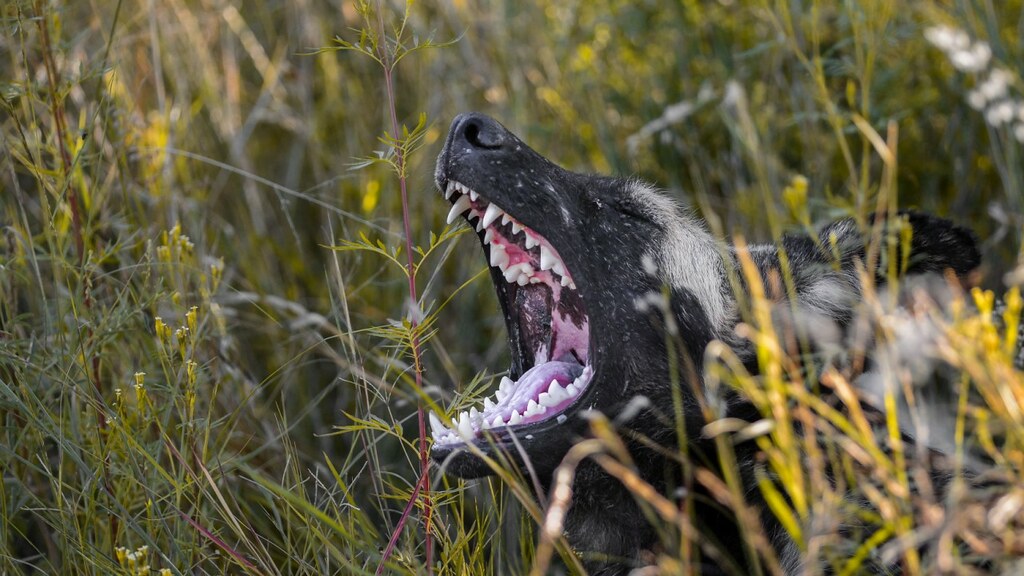
My neighbor’s golden retriever, Biscuit, lost three teeth before his seventh birthday. Not from an accident — from plaque buildup that nobody caught until the vet found bone loss under the gumline during a routine checkup. The bill was $1,400. The heartbreak was free.
That story isn’t unusual. What is unusual is that we’re finally, in 2026, seeing the veterinary community move past the old “just brush their teeth if you can” advice and into something that actually accounts for how real pet owners live. The shift isn’t just about better products. It’s about a change in how vets are framing the problem entirely.
The problem was never that people didn’t love their pets enough to care about their teeth. The problem is that most dental guidance assumed a level of cooperation from the animal — and a level of consistency from the human — that simply doesn’t exist in the average household at 7 PM on a Tuesday.
1. The Statistic That Changed the Conversation
Veterinary dental organizations have long cited that the majority of dogs and cats show signs of periodontal disease by age three. That number has been floating around for years, but what’s different now is how practices are using it. Instead of trotting it out as a scare tactic at the end of an annual exam, more vets are building it into their intake conversations — the same way a pediatric dentist talks to parents about sugar and baby teeth before the kid is old enough to need a filling.
Industry surveys in the veterinary sector consistently point to periodontal disease as the single most common clinical condition diagnosed in adult pets. The downstream effects — bacteria entering the bloodstream, increased risk of cardiac and kidney complications — are not new findings. What’s new is the urgency around early intervention, not just treatment after the fact.
One practice manager I spoke with at a clinic in suburban Ohio put it plainly: “We used to talk about dental health when owners brought it up. Now we bring it up ourselves, every single visit, the same way we ask about heartworm prevention.”
2. Daily Brushing Is Still the Gold Standard — But Vets Are Finally Being Honest About It
Here’s where things get interesting. If you ask most veterinary dentists, they’ll still tell you that daily mechanical brushing with a pet-safe toothpaste is the most effective tool available. That hasn’t changed. What has changed is that more vets are openly acknowledging that fewer than one in five dog owners actually does it consistently — and almost nobody does it with cats.
That honesty matters. Because for years, the dental guidance felt like a guilt trip wrapped in a pamphlet, and owners tuned it out. Now, the framing is shifting toward: “Here’s what works best, here’s what works second-best, and here’s how to layer them based on your actual life.”
If you have a dog who tolerates a toothbrush — who sits still while you work a brush along the gumline for 30 to 60 seconds per side — you’re already ahead of most. But if your dog turns into a crocodile the moment a toothbrush appears, your vet in 2026 is more likely to offer you a real alternative instead of just repeating the same advice louder.
3. What the “Second-Best” Options Actually Look Like Now
The Veterinary Oral Health Council — a real organization that evaluates and awards a seal of acceptance to products that meet specific efficacy standards — has become a name that more pet owners are actually learning to look for. Their accepted product list has expanded in recent years to include not just toothpastes but water additives, dental chews, and certain oral gels.
Water additives, in particular, have seen a surge in interest. The appeal is obvious: you add a measured amount to your pet’s water bowl, and the formula works to reduce plaque and bacterial load throughout the day with zero effort from either you or the animal. Vets are careful to note that water additives are not a replacement for mechanical cleaning — but several clinics are now recommending them as a daily baseline, especially for cats, where brushing compliance is notoriously low.
Dental chews remain popular, but the guidance has gotten more specific. Not all chews are created equal, and the ones without a recognized efficacy seal are — bluntly — mostly just treats. The chews that actually reduce plaque require a certain texture and chewing duration to do their job. A soft chew that dissolves in four seconds isn’t cleaning anything.
Oral gels and wipes have also entered more mainstream recommendations, particularly for senior pets or those recovering from dental procedures who can’t chew. Some practices are now sending these home as part of post-operative care kits rather than just handing out a sheet of instructions.
4. A Real Before-and-After: What Six Months of Layered Care Looks Like
A friend of mine has a six-year-old rescue mutt named Pepper — a medium-sized dog who hates having her mouth touched. After her vet flagged early-stage gingivitis at her annual checkup last fall, my friend committed to a layered approach instead of the all-or-nothing brushing routine she’d always failed at before.
Week one was rough. Pepper tolerated a finger brush for about eight seconds before walking away. My friend kept it at eight seconds, every night, without trying to extend it. She also added a VOHC-accepted water additive to Pepper’s bowl. That was it. Two things, both low-conflict.
By week three, the finger brush sessions had crept up to about 20 seconds. Not because of any training breakthrough — just because Pepper got bored of the drama. My friend switched to a small-headed toothbrush with enzymatic toothpaste somewhere around week six. Some nights it works. Some nights Pepper clamps her jaw shut and the whole thing ends after 10 seconds. My friend doesn’t stress about the bad nights anymore.
At Pepper’s six-month recheck, the vet noted measurable improvement in gum inflammation. No professional cleaning needed yet. That’s not a miracle — that’s what consistent, imperfect effort plus a daily water additive actually looks like in a real house with a real dog who doesn’t cooperate.
5. What Doesn’t Work — And Why Vets Are Quietly Backing Away From It
This is the section where I’ll probably annoy some product marketers. But these are patterns worth naming.
- Raw bones as a dental solution. This one still circulates heavily in certain pet owner communities, and the argument sounds intuitive — dogs chew bones in the wild, so bones must clean teeth. The problem is that raw bones, especially weight-bearing bones from large animals, are one of the leading causes of broken carnassial teeth in dogs. A fractured tooth that exposes the pulp is a $800 to $1,200 surgical repair. Several veterinary dental specialists have been vocal about this risk for years, and more general practitioners are now echoing it.
- Antler chews and hard nylon toys marketed as “dental.” Same problem as raw bones. If you press your thumbnail into the surface and it doesn’t give at all, it’s too hard for a dog’s teeth. The “dental” label on a product means nothing without an efficacy seal from a recognized body.
- Annual professional cleanings as the only intervention. Professional cleanings under anesthesia are genuinely important — they’re the only way to clean below the gumline. But treating them as a once-a-year fix while doing nothing at home is like flossing only on the day before your dentist appointment. The bacteria that cause periodontal disease rebuild within 24 to 48 hours of a cleaning. Home care in between visits is what makes the cleaning last.
- Anesthesia-free dental cleanings. This is a polarizing one, but the veterinary dental community has been pretty consistent: scraping visible tartar off teeth without anesthesia does not address the subgingival bacteria — the ones actually causing disease — and can create a false sense of progress. A pet’s teeth may look cleaner, but the condition under the gumline is unchanged. Major veterinary organizations have issued position statements against these procedures, and more general practitioners are now aligning with that stance when asked directly.
6. The Trend Nobody Talks About: Starting With Puppies and Kittens
The most interesting shift I’ve noticed in 2026 is the push toward early habituation — getting animals comfortable with mouth handling before they ever need a cleaning. This sounds obvious. It is obvious. And for decades, it was mentioned in passing at puppy wellness visits and then forgotten.
Now some practices are building it into structured puppy and kitten wellness programs the same way they build in vaccination schedules. A few forward-thinking clinics are even offering “dental behavior” consultations — short sessions that teach owners how to desensitize a young animal to toothbrush contact over several weeks, before the animal has any reason to be defensive about it.
The logic is sound: a four-month-old puppy who thinks having his gums touched is just a normal part of life will be infinitely easier to brush at age six than a dog who’s never had it done before. This is not a revelation. But the fact that it’s becoming a structured part of early care rather than an afterthought is a meaningful change in how the profession is approaching prevention.
7. Cost, and Why It Keeps Coming Up
A routine professional dental cleaning under anesthesia for a dog typically runs between $300 and $700 at most general practices, depending on location and the animal’s size. Add X-rays — which most vets now consider standard of care, not optional — and extractions if needed, and that number climbs fast.
That cost is one reason owners skip dental care. It’s also why vets are increasingly making the economic argument for prevention alongside the health argument. A water additive costs roughly $10 to $15 a month. A VOHC-accepted dental chew given daily runs maybe $30 to $40 a month for a medium-sized dog. Against the cost of a full dental procedure — or worse, a surgical extraction — the math is not complicated.
Pet insurance has started catching up here too, with more policies in 2026 offering some coverage for professional dental cleanings, though the details vary widely and pre-existing conditions are almost always excluded. If you’re getting a puppy or kitten this year, adding dental to your insurance conversation from day one is worth the extra five minutes.
Start Here This Week
You don’t need to overhaul anything. Three small moves are enough to actually change your pet’s trajectory:
- At your next vet visit — or even by calling the office — ask them to assess your pet’s current dental grade and tell you honestly where home care is falling short. Not all practices use the same grading scale, but any assessment is a baseline you can measure against next year.
- Look up the Veterinary Oral Health Council’s accepted product list online and check whether whatever you’re currently using — or thinking about buying — is actually on it. Takes about three minutes.
- Tonight, before bed, spend 15 seconds touching your dog’s or cat’s lips and gums with your finger. Just that. No toothbrush, no toothpaste. Just getting them used to the sensation. That’s the first rep in a habit that, done consistently, is worth more than any product you can buy.
Biscuit’s owner told me she wishes someone had made it feel this simple years ago. It can be.