Waterless Shampoo in 2026: What Actually Works for Dry Hair
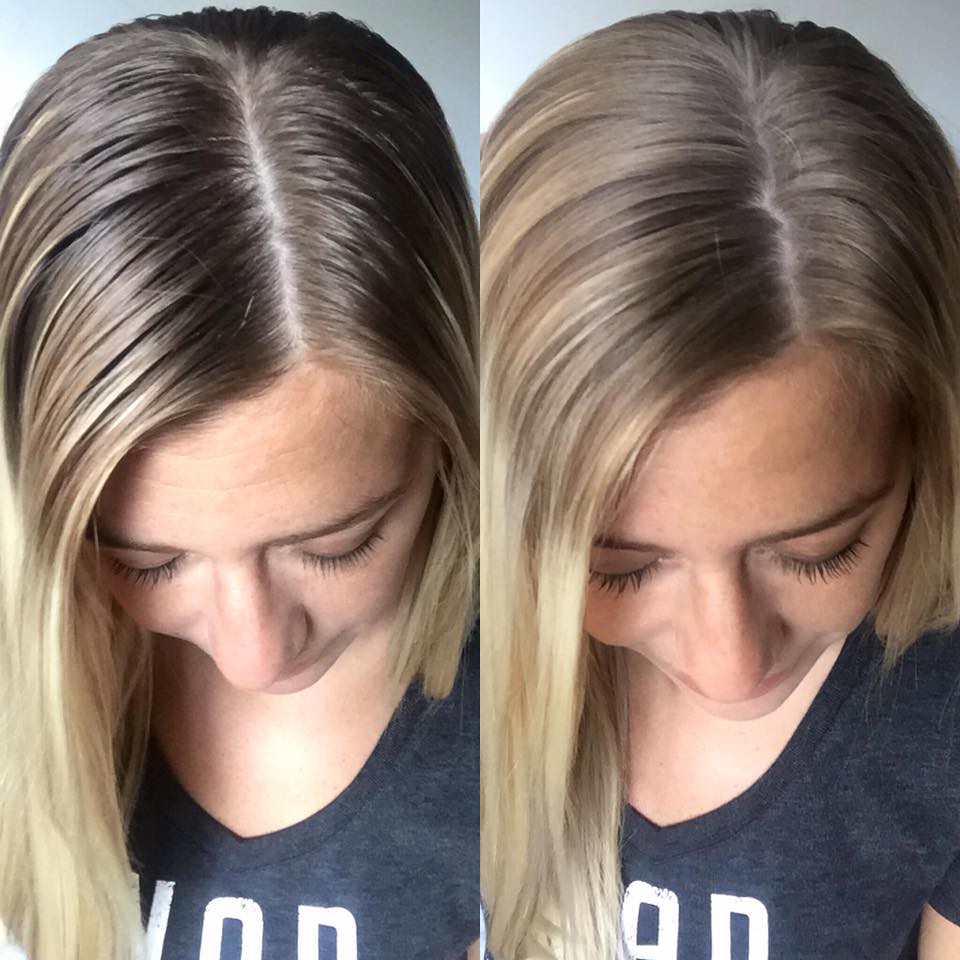
It was 6:43 a.m. on a Tuesday when I finally admitted the dry shampoo I’d been using for two years wasn’t actually cleaning my hair — it was just convincing me it was. I’d spray, wait, scrunch, and walk out the door feeling like I’d gotten away with something. By noon, the roots were greasy again, and by 3 p.m. I had that specific kind of scalp itch that no amount of scratching through a ponytail could fix.
I’m not alone in this. Industry tracking data shows the waterless hair care category has grown significantly over the past three years, with consumers in the U.S. driving much of that demand — particularly women with dry, color-treated, or chemically processed hair who are caught between not wanting to wash every day and not wanting to look like they didn’t.
But here’s the thing nobody says out loud: the problem isn’t that dry shampoo doesn’t work. The problem is that most people are using it as a substitute for clean hair instead of as a tool for extending a good wash. That reframe changed everything for me, and it’s the lens through which 2026’s actual standout waterless products need to be evaluated.
1. The Dry Hair Problem Is Not What You Think It Is
Most people with dry hair reach for waterless shampoo because their scalp gets oily fast, which sounds contradictory — dry hair, oily scalp — but it’s incredibly common. The scalp overproduces sebum partly in response to being stripped too often by regular shampooing. So you wash, your scalp dries out, it compensates with oil, you feel greasy by day two, you wash again. The cycle runs itself.
Waterless shampoo entered this loop as a “skip a wash day” fix. And for some hair types, it genuinely works that way. But for people with dry hair — especially those with fine, color-treated, or low-porosity strands — most dry shampoos make things worse over time. The starch-based formulas that absorb oil also sit on the scalp if not fully removed, and “fully removed” usually requires more manipulation than a quick brush-out.
The trend in 2026 isn’t more dry shampoo. It’s smarter waterless hair care — products designed to hydrate and refresh simultaneously, not just absorb and mask.
2. What’s Actually Different About 2026 Formulas
The shift worth paying attention to is in the base ingredients. For years, most dry shampoos leaned heavily on rice starch, tapioca starch, or aluminum compounds to do the oil-absorbing work. Those aren’t going away, but the better formulations now pair them with something the hair actually needs: lightweight humectants and scalp-conditioning agents.
Glycerin, panthenol, and certain plant-derived ceramide analogs are showing up in newer waterless shampoo formats — not in concentrations that rival a leave-in conditioner, but enough to offset the drying effect of the starch. The result is a product that absorbs oil without leaving the hair shaft feeling stripped by the time you use it three or four times in a row.
There’s also a format shift. Aerosol sprays dominated the category for over a decade. In 2026, powder-to-foam formulas and concentrated dry cleansing bars are picking up shelf space — particularly in specialty beauty retailers and online. A few indie brands have released waterless shampoo in solid stick form, which distributes more evenly at the roots than an aerosol and doesn’t leave the white cast that’s plagued powder-based sprays on darker hair.
Aerosols still have their place. But if you have dry hair and you’ve been spraying the same kind of can since 2019, there’s a good chance a different format would serve you better.
3. How I Tested This Over Six Weeks (Including the Days It Failed)
I started tracking my wash schedule in mid-January — nothing fancy, just a notes app entry every morning. I was washing my hair every two days, sometimes every day and a half if I worked out. My hair is fine, shoulder-length, highlighted, and prone to frizz when it’s dry and to limpness when it’s oily. Not the easiest test case.
Week one: I used a powder-to-foam formula on day two after washing. Applied it section by section at the roots, massaged it in, let it sit for about 90 seconds, then used a boar bristle brush to distribute. Honest result — it worked better than my aerosol spray had on the same day. Hair looked less flat, roots felt cleaner, and I didn’t get the stiff texture I usually get from starch-heavy products.
Week three is where it got interesting. I pushed to day three, which I almost never do. By the morning of day three, the powder-to-foam wasn’t cutting it on its own. I layered it with a few spritzes of a lightweight scalp toner — basically a water-based mist with niacinamide and witch hazel — and that combination got me through the day. Not perfectly. My hair felt a little heavy by 5 p.m. But I made it to day three without washing, which genuinely hadn’t happened in years.
Week five: I tried a solid waterless shampoo stick from a small brand I found at a local beauty supply shop. Application was awkward at first — I overloaded one section and had to work much harder to blend it out. But once I figured out a lighter hand, the finish was better than anything I’d tried. Less white residue, more natural movement. The catch: it took about four minutes to apply properly, versus 45 seconds with a spray. For a Tuesday morning, that’s a real trade-off.
4. What Doesn’t Work — And Why People Keep Trying It Anyway
I have opinions here. Actual ones, not the “it depends on your hair type” hedge that beauty content defaults to.
- Applying dry shampoo at night doesn’t work for dry hair. I know this is a widely shared tip — spray it before bed, let it absorb overnight, wake up with perfect hair. For oily hair types, maybe. For dry hair, you’re sleeping on product that’s pulling moisture from an already dry strand, and you wake up with roots that look clean but hair that feels like straw. Skip this one.
- Using dry shampoo on hair that’s already oily doesn’t work. Once the sebum has built up, no starch-based product is going to effectively absorb it all. You’ll just get a gummy, heavy texture. Dry shampoo is a preventive tool, not a rescue product. Apply it before the grease sets in — on day one after washing, not day two when you’re already in trouble.
- Doubling up on spray layers doesn’t work. Spraying a second coat because the first one didn’t take is one of the most common mistakes I see. You’re not adding more absorption; you’re adding more buildup. If one application isn’t enough, the formula is wrong for your hair or your application method needs to change — not the quantity.
- Expecting waterless shampoo to replace washing indefinitely doesn’t work. Some content online implies you can go weeks without washing if you use the right products. This is not true for most people, and it’s especially not true for people with dry, sensitive, or flaky scalps. Product buildup is real. It blocks follicles, contributes to scalp irritation, and eventually makes hair look worse than if you’d just washed it. A good waterless routine extends your wash cycle — it doesn’t eliminate it.
5. The Formats Worth Knowing About in 2026
If you’re shopping right now and trying to make sense of the shelf, here’s how I’d break down the current landscape:
Powder-to-foam sprays are the most forgiving format for beginners. They blend out more easily than straight powder, and the foam carrier helps distribute product more evenly. Good starting point if you’ve only used aerosol sprays before.
Solid waterless shampoo bars and sticks are the category to watch. They tend to have cleaner ingredient lists, generate no aerosol waste, and perform well on dry and textured hair. The learning curve is real — plan for a few awkward applications before you get the technique down.
Scalp serums and tonics are not dry shampoos, but they’ve become an important companion product in a waterless routine. A lightweight, alcohol-free scalp tonic can refresh the scalp without the starch load, and layering it with a dry shampoo on day three or four is more effective than double-applying dry shampoo alone.
Aerosol sprays are still widely available and still the fastest option. If you have oily hair and just need something quick, they do the job. For dry hair specifically, look for formulas that list a conditioning or humectant ingredient within the first six to eight on the label — that’s a rough indicator that the formula is doing more than just absorbing.
6. A Note on Scalp Health That Most Dry Shampoo Reviews Skip
Waterless shampoo is a scalp product, not just a hair product. The skin on your scalp has the same basic needs as the skin on your face — it can be sensitized, it can be over-dried, and it responds to what you put on it repeatedly. Industry dermatologists have been more vocal about this over the past couple of years, noting that chronic dry shampoo use without adequate cleansing can contribute to folliculitis and persistent scalp flaking in some people.
This doesn’t mean stop using it. It means use it with the same intentionality you’d bring to a skincare product. Rotate formulas occasionally. Do a real scalp clarifying wash every two to three weeks if you’re extending your wash cycle regularly. And if your scalp is itching or flaking more than usual, that’s a sign the product is building up faster than your routine is clearing it.
Dry hair and a healthy scalp aren’t mutually exclusive. But you have to actually manage both, not just the visible part.
Your Next Three Moves — Each Takes Less Than Five Minutes
Pick one of these and do it this week, not all three at once.
Check your current dry shampoo’s ingredient list. If starch or silica is the second ingredient and there’s nothing hydrating in the first eight, that formula is working against your dry hair. You don’t have to throw it out today — just know what you’re working with.
Shift your application timing. Try applying your dry shampoo on day one after washing, before any oil has accumulated. Even a light application at the roots can extend your wash day by 24 hours without the buildup that comes from applying on day two when you’re already greasy.
Find one scalp tonic or refreshing mist to pair with your dry shampoo. Look for something water-based, without heavy silicones or alcohol as a lead ingredient. Use it on the days your dry shampoo alone isn’t enough. This combination — a light mist plus a targeted dry shampoo — is how most people actually make a three-day wash cycle work without their hair looking like it.
The waterless shampoo category in 2026 has genuinely better options than it did five years ago. But the product is only part of the answer. The other part is understanding what you’re actually asking it to do.