Teaching Older Rescue Dogs: Clicker Training Actually Works
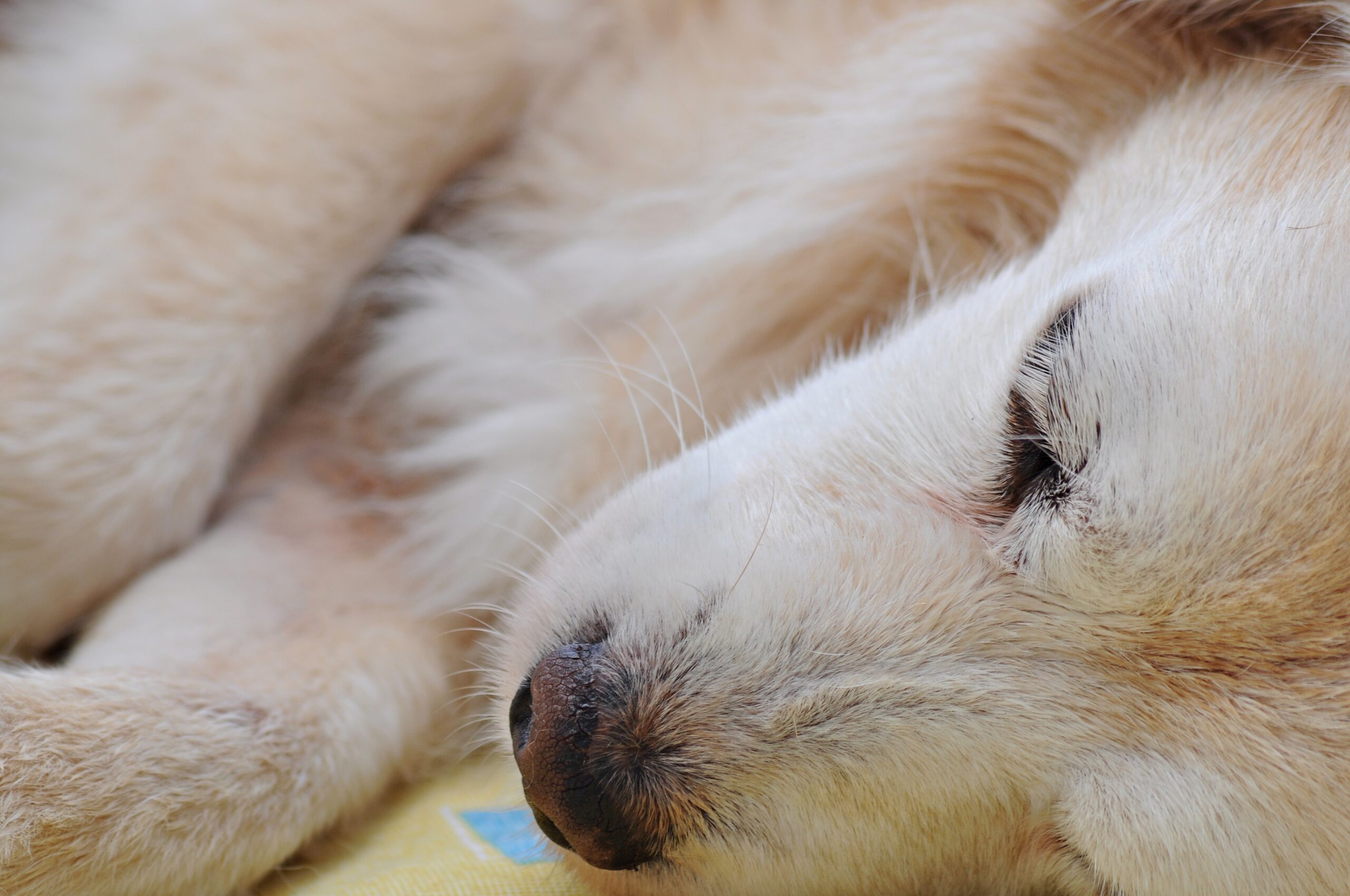
The dog wouldn’t look at me. Nine years old, pulled from a county shelter in rural Tennessee after his owner passed, and he spent the first four days in my house facing the corner of the living room like he was in time-out. His name was Earl. He weighed 47 pounds and had the kind of deep chest sag that comes from years of not quite enough food. A trainer friend of mine took one look at him and said, “He’s shut down. Don’t expect much.” I bought a clicker anyway — a basic Karen Pryor-style box clicker, $3.49 at the local pet supply — and figured I had nothing to lose.
Here’s what nobody tells you about senior rescue dogs: the problem isn’t that they’re too old to learn. The problem is that most people approach them like they’re broken, and dogs — even shut-down, grief-stricken, corner-facing dogs — are remarkably good at reading that energy. Earl didn’t need me to lower my expectations. He needed me to give him a reason to care again. That’s where the clicker changed everything, and not in the fluffy, Instagram-caption way. In a concrete, observable, six-days-in kind of way.
1. Why Clicker Training Hits Different for Older Dogs
There’s a persistent myth that older dogs are neurologically past it — that the brain plasticity window closes somewhere around age three and everything after that is just maintenance. Research in animal cognition has consistently challenged this. Studies in canine learning behavior have shown that dogs retain the capacity to form new associations throughout their lives, though the speed of acquisition may slow and the emotional context around learning becomes more significant with age.
What that means practically: a senior rescue dog isn’t starting from zero. He’s starting from a complicated negative, often carrying conditioned fear responses, learned helplessness from shelter environments, or grief from losing a home. The clicker works for these dogs because it’s a neutral, non-threatening signal. It doesn’t sound like an angry voice. It doesn’t feel like a leash correction. It’s just a small, consistent sound followed by something good — usually a high-value treat, like a thumbnail-sized piece of real chicken or freeze-dried liver.
The click creates a bridge between behavior and reward that’s faster and more precise than verbal praise, which carries emotional tone and varies from moment to moment. For a dog who’s learned that human attention is unpredictable, that precision matters. It’s not magic. It’s information.
2. The First Week Looks Nothing Like You’d Expect
I started Earl’s clicker introduction on a Thursday morning, around 9 a.m., with him still in his corner. I sat cross-legged on the floor about six feet away. No eye contact, no talking, no reaching toward him. Just me, the clicker, and a small bowl of boiled chicken pieces the size of my thumbnail.
The protocol I used — which any certified applied animal behaviorist or force-free trainer will recognize — is called “loading the clicker.” You click, then immediately toss a treat. You’re not asking for any behavior yet. You’re just teaching the dog that the sound predicts something good. I did five repetitions, then got up and walked away. That was the whole session.
Day one, Earl didn’t move from his corner. I tossed treats toward him after clicking. He ignored them for the first two sessions. By the third session — late afternoon, maybe 4:30 — he turned his head when he heard the click. That was enough. That was enormous.
By day four, he was taking the treats. By day six, he was moving toward me when he heard the click. On day seven, he sat in front of me and made direct eye contact for the first time. I clicked and treated that immediately, even though he hadn’t done anything I’d “asked” for. The behavior of choosing to engage — that’s the one you reinforce first.
Did every session go smoothly? No. Day three, I accidentally clicked when he sneezed, got flustered, and dropped half the chicken on the floor. He ate it off the floor and walked back to his corner. Training is like that sometimes. You laugh, you reset, you try again in a few hours.
3. Adjust the Environment Before You Adjust the Dog
Senior rescue dogs are often hypersensitive to environmental stressors that younger dogs shake off. A passing garbage truck, the smell of a stranger’s shoes by the door, a child’s voice from the yard next door — any of these can push an older dog over their stress threshold fast. Once a dog is over threshold, learning stops. The brain shifts from “what’s the pattern here?” to “how do I survive this?”
Before you start any clicker session, do a quick environmental scan:
- Is the space quiet? Not silent — just not actively chaotic.
- Is the dog’s body language soft? Loose ears, soft eyes, no visible tension across the shoulders.
- Have you given the dog 20 minutes to settle after any transition — a walk, a car ride, a visitor?
I trained Earl in the back hallway for the first two weeks. No windows, low foot traffic, no other animals. It was boring and slightly cramped, and it worked. Once he started offering behaviors enthusiastically — turning toward me, sitting, touching his nose to my hand — we moved to the kitchen. Then the living room. Generalization takes time with older dogs. Don’t rush the geography.
4. The Behaviors Worth Teaching First (And the Order Matters)
Most training guides jump straight to “sit, stay, come” because those are the behaviors that make a dog easier to manage. That’s a reasonable priority list for a puppy. For a senior rescue, I’d argue the order should be different.
Start with name recognition. Especially for dogs who came from shelters where their name may have changed multiple times, or who may have simply stopped responding to their name after a period of stress. Click and treat every time the dog orients to you when you say their name. Do this 10 times a day for the first week. It sounds like overkill. It isn’t.
Then hand targeting. This is where you present a flat palm and click/treat when the dog touches their nose to it. Hand targeting builds confidence — it’s a behavior the dog initiates, which gives them a sense of control — and it’s the foundation for heeling, recall, and redirecting attention. Earl learned hand targeting in three days. After that, he would find me in the house and bop my hand with his nose when he wanted interaction. That’s a dog who’s choosing to engage with the world again.
Then the behaviors that matter for safety — a reliable “wait” at the door, a recall, a settle on a mat. These take longer. Plan for weeks, not days. Earl’s recall took about three weeks to become consistent, and it still breaks down around squirrels. That’s fine. Three weeks for a nine-year-old dog who arrived shut down is not a failure. It’s a win.
5. What Doesn’t Work — And I’ll Be Direct About It
There are approaches that get applied to senior rescue dogs constantly, often with good intentions, that actively make things worse. Here are four of them:
Flooding. This is the idea that if you just expose a dog to enough of what scares them, they’ll eventually get over it. Bring the anxious dog to a busy dog park, walk them through a crowded farmer’s market, let kids run up to them. The thinking is that the dog will “realize” nothing bad happens. In practice, for a senior rescue, flooding usually deepens the fear response and can cause lasting behavioral damage. Don’t do this.
Alpha/dominance frameworks. The idea that your dog is acting out because they see themselves as the “pack leader” and you need to establish dominance has been thoroughly challenged in behavioral science for years. Applying it to a senior rescue dog who’s already shut down is especially counterproductive. You’re not dealing with a power struggle. You’re dealing with a scared animal who hasn’t been given a reason to trust yet.
Marathon training sessions. Fifteen minutes feels short. For a senior rescue in the early weeks, fifteen minutes is probably too long. Five minutes of focused, positive clicker work is more effective than thirty minutes of drilling. Older dogs fatigue cognitively faster, and a tired dog stops retaining new information. Short, frequent sessions beat long, exhausting ones every time.
Punishing regression. There will be bad days. The dog who was reliably sitting on cue last week won’t do it today. Or they’ll have a housetraining accident after two weeks of clean success. Punishing this — even with a sharp verbal correction — sets the training back significantly. Something changed in the dog’s environment or stress level. Your job is to figure out what, not to penalize the symptom.
6. The Physical Reality of Training an Older Dog
Earl had mild hip stiffness. I didn’t know this initially, and for the first few days I was clicking and treating for a sit without realizing that sitting was uncomfortable for him. Once I noticed him hesitating before sitting and occasionally shifting his weight awkwardly, I switched the primary behavior to “four on the floor” — just standing still with all four paws on the ground — and added hand targeting as our main engagement behavior.
If you’re working with a senior rescue, get a veterinary evaluation before you start any structured training. Not because training is dangerous, but because pain changes behavior in ways that look like stubbornness or slow learning. A dog who won’t hold a sit might have sore joints. A dog who’s reluctant to do a down might have a back issue. You want to know what you’re working with.
Also: adjust treat size for older dogs. Many seniors are on restricted diets, or they have dental issues that make hard treats difficult. Soft treats cut into pea-sized pieces, or real food like cooked chicken or turkey, usually work well. Keep treats tiny — you may do 50 repetitions in a session, and you don’t want to add 500 extra calories to a dog’s day.
7. How You Know It’s Working
The behavioral markers that tell you clicker training is landing with a senior rescue aren’t always the obvious ones. It’s not just “he sits on cue now.” Look for:
- The dog seeks you out in the house unprompted.
- The dog’s body language during sessions shifts from tense or neutral to loose and engaged — tail wag, soft eyes, forward ear position.
- The dog offers behaviors — tries things — without being prompted, because they’ve learned that offering behavior leads to good outcomes.
- The dog recovers faster from startle responses or minor stressors than they did in the first weeks.
Earl started following me from room to room at around the three-week mark. Not in an anxious, velcro-dog way — more like mild curiosity, checking in. By six weeks, he was sleeping outside the bathroom door while I showered, which felt less like a boundary issue and more like a dog who’d decided I was worth keeping track of. He learned “sit,” “touch,” “wait,” and a passable recall. He never did learn to enjoy strangers. That’s okay. That’s not failure. That’s a nine-year-old dog who spent his whole life with one person, finding his footing in a new world.
Start Here, This Week
If you’ve got a senior rescue at home right now and you haven’t started yet, here’s where to put your energy in the next three days:
Buy a box clicker and charge it. Sit on the floor, click once, toss a small piece of chicken. Repeat five times. Walk away. Do it again in a few hours. That’s the whole first session. You’re not training yet — you’re building a vocabulary.
Watch your dog for ten minutes without trying to interact. Note where they settle, what sounds make them look up, whether their body looks loose or tight. That observation tells you more about where to start than any training guide.
Ask your vet one question at your next visit: “Are there any physical limitations I should work around during training?” One conversation can save you weeks of guessing.
Earl is eleven now. He knows six behaviors on cue, loves freeze-dried salmon treats, and has claimed the left side of my couch as his permanent territory. He still doesn’t love strangers. He still startles at loud trucks. But he looks at me now — right at me, steady and clear — and that, more than any trained behavior, is what the clicker actually built.