Micro Pig Care Without Breaking Your Budget
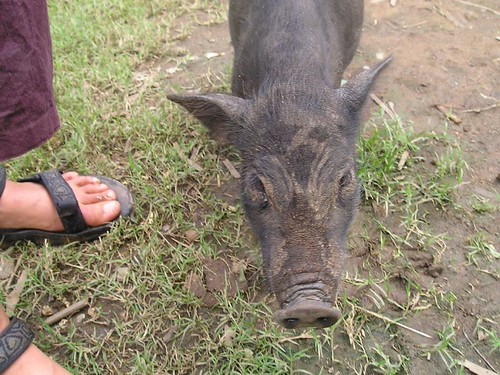
The vet bill sitting on my kitchen counter read $340 — for a routine checkup and a hoof trim on a pig that weighed less than my beagle. I’d done my research before bringing home a micro pig. I thought I had. But “research” for most first-time owners means scrolling through Instagram videos of piglets in tiny sweaters, not budgeting for specialized exotic-animal veterinary care in a mid-size American city where exactly two practices would even look at a pig.
Here’s the thing nobody tells you upfront: the hard part of micro pig ownership isn’t the daily care. It’s the gap between what you expected the daily care to cost and what it actually costs — month after month, year after year. These animals live 12 to 15 years on average. That vet bill isn’t a one-time shock. It’s a preview. The real challenge isn’t learning how to care for a micro pig. It’s building a care system that doesn’t quietly drain your checking account while still keeping the animal genuinely healthy.
1. “Micro” Doesn’t Mean Minimal — Reset Your Baseline
The word “micro” in micro pig is a marketing term, not a care category. Most pigs sold under that label — sometimes called teacup pigs, mini pigs, or juliana pigs — still reach 40 to 80 pounds at full maturity. That’s not small. That’s a mid-size dog with hooves, a rooting instinct strong enough to tear up baseboards, and dietary needs that change significantly between piglet and adult stages.
Industry surveys of small-animal exotic owners consistently show that first-year costs catch new pig owners off guard — not because the individual expenses are outrageous, but because there are more categories of expense than people anticipate. Bedding, feed, enrichment, fencing or containment, hoof care, dental checks, spay or neuter surgery, and at least one annual wellness visit from a vet who specializes in swine: each of these is a line item, not an optional add-on.
Before you can trim any of these costs intelligently, you need an honest list of all of them. Most people skip this step. They budget for feed and maybe one vet visit and then improvise everything else. That improvisation is where the money leaks.
2. Feed Is Where Most Owners Overspend — and Underfeed at the Same Time
Pig nutrition is counterintuitive. You’d think buying the cheapest bag of feed is the obvious way to save money, but underfeeding or feeding the wrong formulation leads to obesity — which is the number-one health problem in pet pigs — or to nutritional deficiencies that show up as dry, flaky skin, brittle hooves, or behavioral problems rooted in constant hunger.
Adult mini pigs generally do well on a pellet specifically formulated for miniature or potbellied pigs, supplemented with fresh vegetables. The pellet portion is typically modest — around a half cup to one cup twice daily for a 50-pound pig, though your vet should confirm the right amount for your specific animal. Where people spend unnecessarily is buying premium pellets marketed for show pigs or agricultural hogs, neither of which match a pet pig’s needs. A well-reviewed mini pig pellet in a larger bag (25 lbs or more, bought from an agricultural supply store rather than a pet boutique) costs significantly less per pound than the same nutritional profile in boutique packaging.
The vegetable supplement is where you can get creative without cutting corners. Leafy greens, cucumber slices, carrots in small amounts, and zucchini work well. These don’t need to be organic or specialty produce — the slightly-past-peak vegetables from your own fridge work fine. I started buying the “ugly produce” bags at my local grocery store specifically for pig snacks. Over a month, that swap saved me around $18 to $22 compared to buying fresh produce separately for the pig.
3. Find Your Exotic Vet Before You Need One Urgently
This is the single highest-leverage thing you can do for your budget before any health issue arises. Emergency exotic care — if your pig gets into something, develops a respiratory issue, or injures a leg — costs two to three times more at an emergency clinic than at a practice already familiar with your animal’s history. And if that emergency clinic doesn’t regularly treat pigs, you’re also paying for their learning curve.
Call around now. Ask specifically: “Do you see miniature or potbellied pigs? Do you have a vet on staff with swine experience?” In many metro areas, one or two practices specialize in exotic small animals and farm-adjacent pets. In rural areas, a large-animal vet may be your best option. Either way, establishing a relationship before an emergency means faster care, lower anxiety, and often a better rate because you’re an existing client.
Wellness visits — typically once a year for a healthy adult pig — run anywhere from $80 to $200 depending on your region and what’s included. That’s not cheap, but it’s significantly cheaper than catching a problem late. Hoof trims, which most pigs need every six to eight weeks if they don’t wear hooves down naturally on concrete or rough outdoor surfaces, can sometimes be done by the owner after a vet demonstrates the technique. That skill alone can save $40 to $60 per trim over time.
4. Enrichment Costs Almost Nothing If You Think Like a Pig
A bored pig is a destructive pig. This isn’t a personality flaw — it’s biology. Pigs are highly intelligent animals that spend hours in the wild rooting, foraging, and problem-solving. A pig sitting in a bare space with nothing to do will find something to do, and you probably won’t like what it chooses.
Commercial pig enrichment toys exist and can be useful, but they’re not where I’d spend money. The most effective enrichment I’ve found is the simplest: scatter feeding. Instead of putting feed in a bowl, scatter it in a shallow bin of dirt or shredded paper, or hide it under a rubber mat. The pig roots and searches for 20 to 30 minutes. Cost: zero additional dollars.
A rooting box — a plastic storage bin filled with smooth river rocks, large wooden blocks, or soil — keeps a pig occupied for longer than most purchased toys. Cardboard boxes, paper bags stuffed with hay, and frozen treats made from pureed vegetables in ice cube trays are all free or nearly free enrichment options. The pigs don’t know they’re supposed to want the $35 puzzle feeder from a specialty pet website. They just want to root.
5. The Real Cost Trap: Housing You’ll Have to Redo
People underestimate pigs’ spatial needs and set up housing that works for a 10-pound piglet and completely fails for a 60-pound adult. Then they spend money twice — once on the inadequate setup and once on the replacement.
Pigs need space to move, a dedicated sleeping area with bedding (straw or blankets work well — pine shavings are harder on respiratory systems), access to outdoor rooting space if possible, and containment that accounts for their surprising strength and intelligence. A standard dog gate will not hold a determined adult pig. They figure out latches. They push through flimsy barriers.
Invest once in appropriate containment — heavy-duty baby gates rated for large dogs, or simple livestock panels for outdoor areas — rather than cycling through cheaper options. The upfront cost is higher, but the total cost over three years is lower. I went through two sets of inadequate gates in the first eight months before accepting this math.
What Doesn’t Work: Common Approaches That Cost More Than They Save
Feeding table scraps as the primary diet. It seems thrifty. It leads to obesity, sodium toxicity, and nutritional imbalances. The vet bills from those problems dwarf the cost of proper feed.
Skipping the spay or neuter. Intact pigs — especially females — have significant hormonal behaviors that make them difficult to manage and create serious health risks over time. The surgery cost (typically $200 to $400 depending on your vet and region) is real, but it’s a one-time expense that prevents ongoing problems.
Buying from breeders who promise “teacup” size. There is no standardized teacup pig breed. Pigs sold under that label are often underfed piglets whose true adult size is unknown. You may end up with a 100-pound pig in an apartment. More relevantly to budget: you may end up with a pig that has health issues from early malnutrition, which costs significantly more to manage over time.
Relying on general-practice vets with no swine experience. This isn’t about their competence — it’s about the fact that pig physiology differs from dogs and cats in ways that matter for dosing, diagnosis, and treatment. A vet who hasn’t worked with pigs may inadvertently recommend something contraindicated for swine. Finding the right vet upfront is worth the extra distance or cost.
6. A Real Month, With the Rough Edges Included
Last November, I tracked every dollar spent on my pig for 30 days. Feed (one 25-lb bag of mini pig pellets plus produce scraps): $31. Bedding refresh (a bale of straw): $9. A hoof trim I did myself after watching a vet demonstration: $0. One unplanned vet call — she’d been off her feed for two days, turned out to be stress from a change in household routine, not illness — cost me a $55 phone consultation fee because my vet offers that option for established clients. Total: $95 for the month.
That’s a good month. Some months include a scheduled wellness visit and cost $180. The month she needed a dental check plus a hoof trim at the clinic cost $210. Annual average works out to roughly $130 to $150 per month when I spread the big visits across 12 months. That’s not nothing. But it’s manageable if you plan for it rather than getting surprised by it.
The month I’d describe as a failure was when I ran out of pellets on a Sunday, the agricultural store was closed, and I improvised with oatmeal and whatever vegetables I had. She was fine, but I noticed she was hungrier than usual and more aggressive about rooting. It wasn’t a crisis. It was a reminder that consistency matters more than perfection — and that keeping a backup bag of feed on hand costs about $28 and eliminates that whole category of problem.
Start Here This Week
You don’t need a complete overhaul. Three small moves make the biggest difference:
- Call one exotic or large-animal vet this week and ask if they see mini pigs. Get their name in your phone before you need it. That five-minute call is worth more than any amount of online research.
- Build a simple monthly budget line for pig care — even a rough one. Write down: feed, bedding, vet (averaged monthly), and enrichment. Seeing the number, even approximately, removes the psychological sting of each individual expense.
- Set up one scatter-feeding session this week instead of a bowl. It costs nothing, takes two minutes to set up, and gives you a direct look at how your pig engages with its environment — which tells you more about its health and mood than almost any other daily observation.
Micro pig care doesn’t have to be expensive. But it does have to be deliberate. The owners who struggle financially aren’t the ones who spend too much — they’re the ones who never built a plan and end up reacting to every expense as if it’s a surprise. Build the plan once. Adjust it as your pig grows. The rest gets a lot easier.