Keep Your Senior Dog Sharp: Brain Exercises That Actually Work
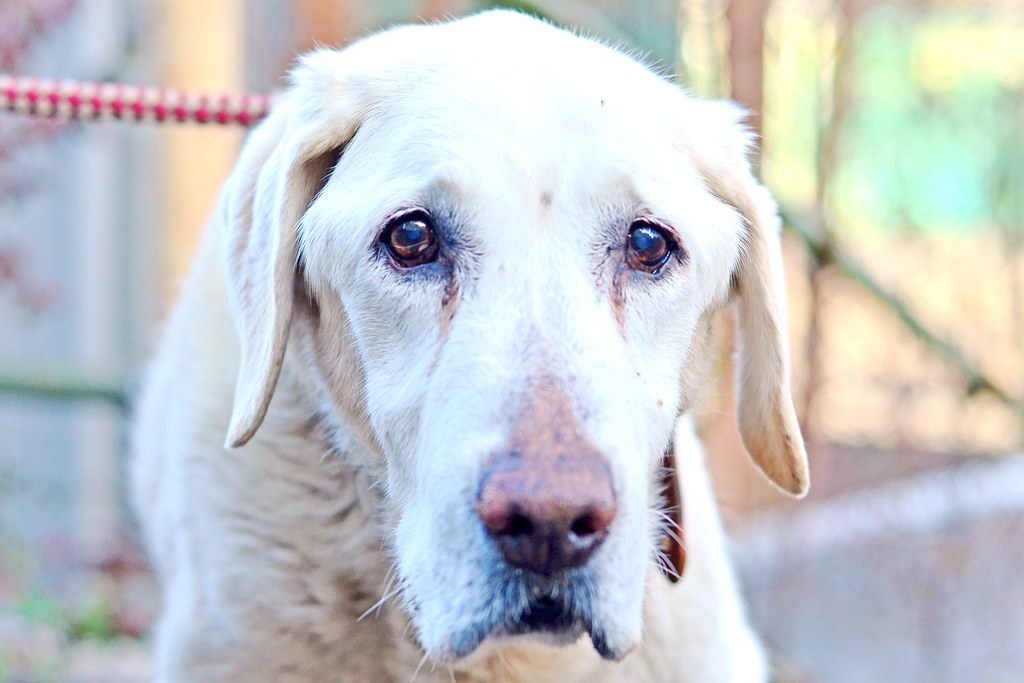
My neighbor’s 11-year-old beagle, Rufus, used to meet her at the door every single evening — tail going, nose working overtime, the whole production. Then one Tuesday in February he didn’t come. She found him standing in the kitchen, just staring at the wall. Not sick. Not hurt. Just… somewhere else. Her vet called it canine cognitive dysfunction, and she called me crying at 9:15 that night asking what she could do.
Here’s the thing most dog owners don’t realize: the problem isn’t that your senior dog is “getting old.” The problem is that we stop challenging them — usually right around the time they slow down physically and we assume they want to rest more. We pull back on the games, the sniff walks, the puzzle feeders. We mean well. We think we’re being kind. But a brain with nothing to do deteriorates faster than one that has a reason to work. That’s not opinion — that’s what the research on cognitive aging keeps pointing back to, in dogs and in people.
Studies on canine cognitive dysfunction published in veterinary behavior journals suggest that somewhere between 25% and 68% of dogs over age 11 show measurable signs of cognitive decline — the range is wide because detection is inconsistent and owners often miss the early markers. What we do know is that environmental enrichment, scent-based tasks, and novel problem-solving have all shown promise in slowing the progression. The window to act is earlier than most people think.
1. Nose Work Is the Most Underused Tool You Have
A dog’s nose has roughly 300 million olfactory receptors. Yours has about 6 million. When your senior dog puts her nose to work, she’s activating a significant portion of her brain in a way that physical exercise — especially as joints stiffen — simply can’t replicate.
Start with something stupidly simple: hide a small piece of chicken breast (cooked, plain) under one of three overturned cups on the kitchen floor. Let her find it. Move to the next room. Then the hallway. Then under a couch cushion. The point isn’t difficulty — it’s sustained, focused sniffing, which forces your dog to hold a scent memory and track it through a process. That’s cognitive work.
K9 Nose Work, a sport developed by professional detection-dog trainers, has been adapted for senior and mobility-limited dogs precisely because it requires almost no physical exertion while delivering serious mental engagement. You don’t need a class to start, though a local class can help you level up the hides. Even 10 minutes of hide-and-seek with kibble pieces around the living room, three times a week, is a meaningful place to begin.
2. Teach One New Cue Per Month — Not More
There’s a temptation to throw a bunch of new tricks at your senior dog and see what sticks. Don’t. The goal isn’t performance — it’s the learning process itself. New cue acquisition requires your dog to form new neural associations, and that’s the exact mechanism you want to keep active.
One new behavior per month is plenty. Pick something low-impact: “touch” (nose to your palm), “go to your mat,” or a name for a specific toy. Work in two-minute sessions, twice a day. Older dogs often have shorter attention windows, and two minutes of focused learning beats fifteen minutes of confusion and frustration — for both of you.
The specific behavior doesn’t matter much. What matters is novelty and positive reinforcement. Small, soft treats work better than big crunchy ones — your 12-year-old lab doesn’t need a Milk-Bone the size of a playing card, she needs a pea-sized piece of something she actually wants.
3. Rotate the Route, Not Just the Walk
If you walk your dog the same three blocks every morning, she stops processing the environment. She knows every smell, every crack in the sidewalk, every spot where the neighbor’s cat crosses. It’s autopilot. And autopilot is the enemy of cognitive engagement.
New routes — even just a different block, or driving to a park you’ve never visited — force your dog to build a new cognitive map. New smells, new sounds, new surfaces underfoot. A 20-minute “sniff walk” on an unfamiliar trail does more for your senior dog’s brain than a 45-minute power walk on the usual loop.
A sniff walk means you let her stop. You let her spend four minutes with her nose on one spot if that’s what she wants. You’re not logging steps — you’re creating an experience that requires real-time sensory processing and decision-making. Let her lead more than you do.
4. Puzzle Feeders: Use Them Right or Don’t Bother
Puzzle feeders are everywhere now — you can find them at any pet chain for anywhere from $12 to $45. They work. But there’s a catch: if the puzzle is too hard, your senior dog will quit. If it’s too easy, she’ll solve it in 45 seconds and walk away. Neither one is enrichment.
The sweet spot is a puzzle your dog solves in 3 to 7 minutes with visible effort — meaning she tries a few wrong moves before succeeding. That’s the zone where she’s actually problem-solving rather than pattern-matching or giving up.
Start one level below what you think your dog can handle. Senior dogs may have some vision changes, arthritis in their paws, or slower processing — a puzzle that was easy at age 5 might be appropriately challenging at age 10. Watch her face and body language. If she’s relaxed and engaged, you’ve got it right. If she’s panting or pawing frantically, back it down.
5. Social Exposure Matters More Than Most People Think
Isolation accelerates cognitive decline. This shows up in human aging research pretty clearly, and there’s parallel evidence in companion animals. Your senior dog doesn’t need a dog park full of bouncy adolescent labs — that’s probably the last thing she wants. But she does benefit from regular social contact: a calm dog friend, familiar visitors, or even just you sitting on the floor with her for ten focused minutes instead of scrolling while she sleeps at your feet.
Some dogs respond really well to being near other animals even without direct interaction. A friend of mine started taking her 13-year-old shepherd mix to a weekly low-key “senior dog meetup” at a local independent pet store — four or five older dogs, leashes loose, just milling around while the owners talk. The dog didn’t play. She didn’t wrestle. But she sniffed, she watched, she engaged. That’s enough.
A Real Week: What This Looked Like for Rufus
My neighbor started small. Week one: two nose work sessions per day, five minutes each, hiding kibble in different rooms. Results were mixed — day three, Rufus gave up halfway through and went to lie down. She shortened the sessions to three minutes. That worked better.
Week two: she changed their morning route every other day. Not dramatic — just a different street, a different park entrance. Rufus took longer to load into the car the first new-route morning, which she read as resistance but was probably just adjustment.
Week three: she introduced a level-one puzzle feeder at breakfast instead of his regular bowl. He knocked it over the first two days. By day five, he was working it properly — about four minutes of effort, which felt like a win.
By the end of the month, she told me he was meeting her at the door again. Not every night. But most nights. That’s not a cure — canine cognitive dysfunction doesn’t reverse. But it can slow down, and for Rufus, something was clearly working.
What Doesn’t Work (And Why I’m Done Pretending Otherwise)
Buying every enrichment toy and rotating them weekly. Too much novelty without structure creates sensory noise, not engagement. Your dog needs a routine framework with novel elements inside it — not random chaos.
Long training sessions to “make up for lost time.” Thirty-minute training blocks with a senior dog produce exhaustion and frustration. Two minutes, done well, twice a day, is genuinely more effective. I’ve watched owners push through and the dog just shuts down.
Assuming calmer equals happier. A dog who sleeps 20 hours a day and doesn’t interact much isn’t content — she may be understimulated and cognitively withdrawing. Calm and disengaged aren’t the same thing, and conflating them is how owners miss early decline for months.
Waiting for a diagnosis to start. Canine cognitive dysfunction is diagnosed after the fact. By the time a vet confirms it, you’ve already lost time. Enrichment started at age 8 or 9, before any symptoms, is the actual intervention. Prevention is the exercise program here, not the emergency response.
What Your Vet Can (and Can’t) Do
Your vet is your first stop if you’re seeing disorientation, house-training regression, disrupted sleep cycles, or a dog who seems to stare at nothing regularly. There are medications and supplements that have shown some benefit in supporting cognitive function in senior dogs — your vet can talk through those options, and that conversation is worth having sooner rather than later.
But medication without behavioral enrichment is like taking a vitamin and sitting on the couch. The environmental piece — the nose work, the new routes, the puzzle feeders, the social contact — is not optional. It’s the other half of the equation, and it’s the half that’s entirely in your hands.
Three Things You Can Do Before This Weekend
Don’t overhaul your routine. That never sticks. Instead, pick one thing from this list that requires almost no effort and do it today:
- Hide three pieces of kibble in different spots around your living room before your dog comes in from outside. Watch her find them. That’s it. That’s the first nose work session. It takes four minutes.
- Tomorrow morning, turn left instead of right out of your driveway. New smells. New cognitive map. Zero additional time investment.
- Sit on the floor with your dog tonight for ten minutes — not on your phone, actually present. Pet her, talk to her, make eye contact. Social engagement is enrichment. It counts.
Rufus is still with us. He’s 12 now, slower than he was, but present in a way he wasn’t in that February kitchen. Some nights he’s at the door. Some nights he’s not. But the nights he is — that’s worth every three-minute nose work session, every turned-around walk, every puzzle feeder knocked onto the floor.