Keep Your Aging Cat’s Joints Healthy: Best Omega-3 Sources
My cat Miso turned 14 last March, and somewhere around month three of watching her struggle to jump onto the couch she’s claimed since 2015, I started doing the kind of obsessive late-night research that only pet owners in denial can justify. It was 11:22 PM, I had three browser tabs open, and I kept circling back to the same question: was I actually giving her the right fats, or just the ones the bag said were “complete and balanced”?
Here’s the thing most articles won’t tell you: the problem with omega-3 supplementation for aging cats isn’t that owners don’t care. It’s that the majority of cat foods — even the premium ones — are heavily weighted toward omega-6 fatty acids, which compete directly with omega-3s for absorption. You can buy the best salmon-flavored kibble on the market and still be feeding a cat whose omega-6 to omega-3 ratio is somewhere north of 20:1, when the target for joint-protective benefit sits much closer to 5:1 or below. The supplement isn’t the gap. The ratio is.
That reframe matters if your cat is over 10. Joint stiffness, reduced grooming, reluctance to climb — those aren’t just “old cat things.” They can be signs of a fatty acid imbalance that’s been quietly building for years. And the fix isn’t dramatic. It starts with understanding which omega-3 sources actually reach the tissues that matter, and which ones are mostly marketing.
1. Why Fish Oil Beats Flaxseed — Especially After Age 10
Cats are obligate carnivores, which sounds like a bumper sticker but has real metabolic implications. Unlike dogs or humans, cats have a very limited ability to convert ALA — the plant-based omega-3 found in flaxseed oil — into EPA and DHA, the two forms that actually reduce joint inflammation and support cognitive function. The conversion pathway exists, but it’s metabolically inefficient in felines to a degree that makes plant-based omega-3 sources largely irrelevant for therapeutic purposes.
EPA and DHA from marine sources — fish oil, krill oil, algae oil — are already in the bioavailable form. The body doesn’t need to convert them. For a 14-year-old cat whose liver isn’t running at peak efficiency anyway, that distinction isn’t minor. It’s the whole ballgame.
Research published in veterinary nutrition literature has consistently shown that EPA in particular plays a measurable role in suppressing pro-inflammatory cytokines associated with feline osteoarthritis. DHA supports neurological function, which matters more than most owners realize — cognitive decline in senior cats is underdiagnosed, and it often looks like behavioral change or disorientation rather than anything you’d obviously label “brain-related.”
2. Fish Oil: The Workhorse Source (With One Real Catch)
Liquid fish oil — specifically products designed for cats or small animals, not the human 1,000 mg softgels from Costco — is still the most accessible and cost-effective way to deliver EPA and DHA to a senior cat. A typical maintenance dose for a cat in Miso’s weight range (about 9 lbs) runs around 50–75 mg of combined EPA/DHA per day, though your vet may push that higher if there’s a diagnosed joint condition.
The catch: fish oil oxidizes. A bottle that’s been sitting open for six weeks in a warm kitchen is delivering rancid fat, not therapeutic omega-3s. This is not a hypothetical problem. Rancid fish oil can actually increase oxidative stress — the opposite of what you’re trying to do. I keep Miso’s bottle in the refrigerator, buy in smaller quantities even if it costs slightly more per ounce, and I sniff it before every use. If it smells off rather than just fishy, it goes in the trash.
Sardine oil and anchovy oil tend to have lower contamination risk than large-predator fish like tuna or salmon, because smaller fish accumulate fewer heavy metals. If you’re buying a fish oil product, look for one that lists the source species and carries a third-party purity certificate — some brands display NSF or similar verification on the label. I’m not going to name a specific brand here, because formulations change and what’s available in your local pet store in May 2026 may differ from what I tested six months ago. Check the label, not the marketing.
3. Krill Oil: Smaller Dose, Potentially Better Absorption
Krill oil has gotten a lot of attention in human nutrition circles, and some of that conversation has filtered into veterinary use. The omega-3s in krill oil are bound to phospholipids rather than triglycerides, which may improve cellular uptake — the fatty acids essentially arrive at the cell membrane in a more “ready to use” form.
The practical implication: you may need a smaller dose to achieve similar effects, which matters for cats who resist any new flavor or texture in their food. Miso will eat almost anything if I mix it with a small amount of low-sodium chicken broth. But I know cats who’ll stage a full hunger strike over half a teaspoon of fish oil. Krill oil, which tends to have a less aggressive odor, sometimes slides past the pickier ones.
The downside is cost. Krill oil products formulated for pets tend to run higher per-dose than standard fish oil, and the evidence base in cats specifically is thinner than for fish oil. It’s a reasonable option, but it’s not a clear upgrade for every cat — more of a tool for specific situations, like severe palatability issues or when a vet recommends a lower-volume delivery.
4. Algae Oil: The One for Cats with Fish Sensitivities
Here’s a source that most cat owners overlook entirely: algae-derived DHA. This is where fish get their omega-3s in the first place — they eat algae, or eat things that eat algae. Cutting out the fish and going to the source produces an omega-3 supplement that’s marine-derived but completely free of fish protein.
For cats with documented fish allergies or sensitivities — which are more common than people assume, since fish is one of the more frequent feline food allergens — algae oil is the only marine omega-3 option that doesn’t carry that protein risk. It’s also more stable than fish oil because it lacks the polyunsaturated fatty acids that oxidize most rapidly.
The limitation: most algae oil products are DHA-heavy with minimal EPA. For joint inflammation specifically, EPA is the more relevant compound. Algae oil may be better positioned for cognitive support in senior cats than for musculoskeletal issues. In some cases, a vet might recommend using algae oil as the DHA source while looking for another anti-inflammatory strategy for the joints. It’s not a one-size answer — it’s a piece of a larger picture.
5. Whole Food Sources: Real But Insufficient on Their Own
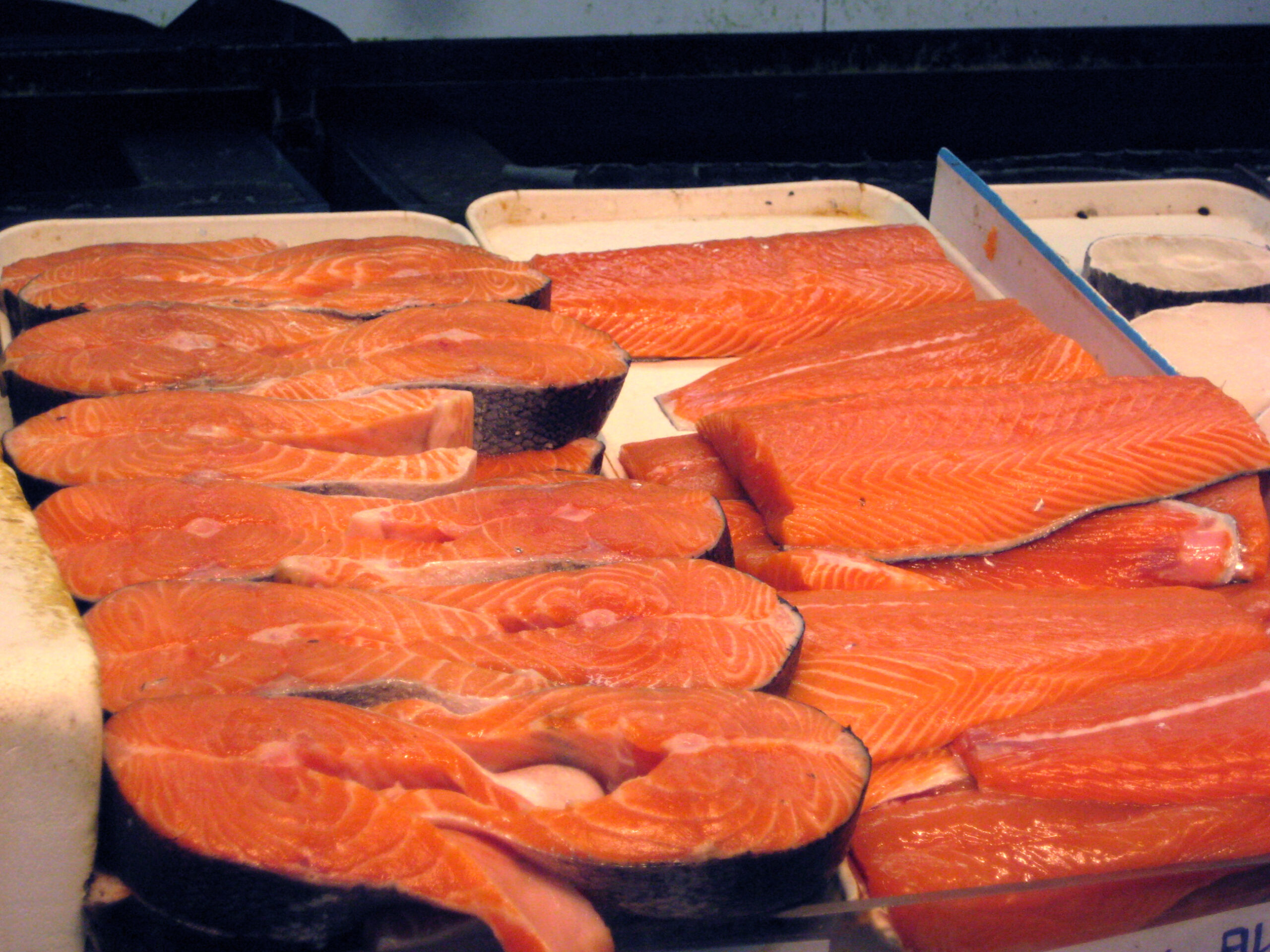
Sardines packed in water, not oil. Cooked mackerel. Small amounts of wild-caught salmon. These are legitimate omega-3 sources, and adding them to a senior cat’s diet has real value — not just for the fatty acids but for the hydration, the protein variety, and frankly, the palatability boost that often gets older cats eating more consistently.
But whole fish as a sole omega-3 strategy doesn’t deliver reliable, measurable doses. A small sardine might contain somewhere around 400 mg of combined EPA/DHA, but your cat isn’t eating a whole sardine in one sitting, and the frequency you can safely rotate fish into a cat’s diet is limited by concerns about thiamine interference (raw fish) and sodium content (canned products). A quarter of a sardine twice a week is a supplement, not a treatment plan.
Use whole food sources as a complement, not the foundation. They make the diet more interesting and add real nutritional value. They don’t replace a measured omega-3 protocol for a cat showing joint symptoms.
What Doesn’t Work: Four Approaches to Skip
1. Human fish oil capsules at human doses. A 1,000 mg fish oil softgel designed for a 170-lb adult is not an appropriate dose for a 9-lb cat. Some owners pierce the capsule and squeeze in a tiny amount — which can work in a pinch, but you lose dosing precision entirely, and most human products contain additives that aren’t tested in cats. Purpose-formulated pet products exist for a reason.
2. Flaxseed oil as the primary omega-3 source. I’ve seen this recommended in multiple “natural pet care” articles, and it consistently frustrates me. Cats cannot meaningfully convert ALA. Feeding flaxseed oil to a cat with joint issues and calling it an omega-3 protocol is like buying a gift card in a currency the recipient can’t spend.
3. Salmon-flavored foods as a substitute for supplementation. “Salmon recipe” on a kibble bag usually means the food contains some salmon meal, not that it delivers therapeutic omega-3 levels. The processing required to make dry kibble destroys a significant portion of whatever omega-3s were present in the original ingredients. The label is not a dosing guide.
4. Supplementing without addressing the omega-6 load. Adding fish oil to a diet that’s still 80% corn and chicken fat is like bailing water with a cup while the faucet’s on. You may get marginal benefit, but the ratio problem remains. If your vet recommends omega-3 supplementation, it’s worth looking at the total diet — not just what you’re adding, but what’s already creating the imbalance.
One Real Month: What It Looked Like With Miso
I started Miso on a liquid anchovy-based oil in mid-February — a small-animal formulation, refrigerated from day one, roughly 60 mg EPA/DHA daily mixed into a teaspoon of broth over her wet food. Week one: no visible change, she ate it without protest, which I counted as a win. Week two: still nothing obvious. I almost talked myself into thinking it wasn’t working.
By week four, she jumped onto the couch twice in one evening without the long hesitation she’d been doing for months — the thing where she’d stand at the base, shift her weight, and sometimes just walk away. I don’t know if that’s placebo effect on my end or a real change. Her vet, at a check-in in March, noted her range of motion on the left hip was slightly improved from the previous visit. That felt more objective.
She also had a bad week in there — mid-February, she went off her food for three days, which had nothing to do with the supplement and everything to do with a respiratory bug she picked up somehow. That happens. Senior cat health isn’t a straight line upward. But the omega-3 protocol has stayed consistent through it, and as of May 2026, she’s still jumping onto that couch.
Your Next Three Steps (All Small)
First, at your cat’s next vet visit — or even a quick phone call to the clinic this week — ask specifically about EPA/DHA dosing for your cat’s current weight and joint status. Not “should I give omega-3s” but “what’s the target daily dose of EPA plus DHA for her specifically.” That number is the anchor for everything else.
Second, check whatever fish oil or supplement you currently have at home. Look at the expiration date, check when you opened it, and smell it. If it’s been open more than six weeks outside the fridge, toss it and start fresh. Rancid oil is worse than no oil.
Third — and this is the smallest one — the next time you’re at the pet store or ordering online, spend two minutes reading the actual ingredient panel on any fish oil product you’re considering. Look for the EPA and DHA amounts listed separately, not just “total omega-3s.” If those numbers aren’t on the label, put it back. You need to know what you’re actually delivering, not what the front of the package wants you to feel good about.
That’s it. Three actions, none of which require a major lifestyle change. Miso didn’t need a dramatic intervention — she needed the right fat, in the right form, consistently. Your cat probably doesn’t either.