Exotic Pets Worth Your Time in 2026
My neighbor knocked on my door at 7:15 on a Tuesday morning holding a blue-tongued skink in a pillowcase. “I need someone to watch him for the weekend,” she said, like that was a completely normal sentence. That was three years ago — and honestly, that weekend changed how I think about what a pet can be. Watching that lizard navigate her living room with the calm confidence of someone who absolutely owned the place, I started asking a different question: not why would someone keep an exotic pet, but why wouldn’t they?
Here’s the thing most pet content gets wrong: the conversation about exotic pets is treated like a personality contest — snakes are for edgy people, parrots are for lonely people, hedgehogs are for Instagram. That’s not the real question. The real question is about commitment architecture — meaning, what kind of life do you actually have, and what animal genuinely fits inside it? A bearded dragon doesn’t care that you think reptiles are cool. It cares that you’re going to maintain a 95°F basking spot every single day without exception.
Industry data — pulled from pet trade association reports — consistently shows that exotic pet ownership in the US has been climbing steadily, with reptiles and small mammals making up a growing share of the non-dog, non-cat market. Some estimates put the number of reptile-owning households in the US above 4 million. That’s not a niche. That’s a movement. And in 2026, the options have never been better — or more honestly documented, thanks to a generation of keepers who post care sheets and vet recommendations on dedicated forums and subreddits rather than just vibes.
1. Blue-Tongued Skinks: The Most Underrated Starter Reptile
Back to my neighbor’s skink. After that weekend, I did a deep dive — and I kept circling back to the same conclusion: blue-tongued skinks are absurdly well-suited to first-time reptile keepers who think they want a gecko but actually want something with personality.
They’re diurnal, meaning they’re awake when you are. They eat a varied omnivore diet — leafy greens, protein, some fruit — so you’re not stuck sourcing live insects if that’s not your thing. They tolerate handling better than most lizards once they’re used to you. And their lifespan, which can hit 15 to 20 years with good care, means you’re making a real commitment, not a temporary experiment.
The setup cost is real: expect to spend $300–$500 on a proper enclosure, UVB lighting, a thermostat, and substrate before you even buy the animal. A captive-bred Northern blue-tongue from a reputable breeder runs $150–$250 typically. Don’t let anyone sell you a wild-caught one — stress mortality is high and the ethical case is weak.
One thing nobody tells you upfront: they go through a defensive phase when they’re young where they will absolutely bluff-charge your hand. My neighbor’s skink did it to me twice that first morning. It’s startling, not dangerous. Give it time.
2. Hedgehogs: Great on Paper, Harder in Practice
I want to be honest here because a lot of hedgehog content is suspiciously cheerful. Yes, they’re visually adorable. Yes, a hedgehog in a tiny Halloween costume is peak content. But hedgehogs are nocturnal, prone to a hereditary neurological condition called Wobbly Hedgehog Syndrome, and they require consistent handling from a young age to stay handleable at all.
What actually works: hedgehogs are a strong fit if you’re a night owl, you have a consistent schedule, and you’re genuinely prepared for vet costs that can climb fast. Finding an exotic vet who sees hedgehogs isn’t always easy — in some parts of the Midwest and rural South, you might be driving 45 minutes to an hour for a basic checkup.
What doesn’t work: buying a hedgehog because your college roommate had one. Hedgehogs need daily interaction and a wheel — a proper 12-inch solid-surface wheel, not a wire one — for exercise. Skip that, and you’ll have an obese, irritable animal that wants nothing to do with you.
Cost entry point is lower than reptiles: a quality cage, wheel, and accessories can be assembled for around $150–$200. The animal itself from a USDA-licensed breeder runs $100–$250. Note that hedgehogs are illegal in some states, including California, Georgia, and Hawaii — check local law before you fall in love.
3. Ball Pythons: Still the Best Risk-Adjusted First Snake
If someone tells you they want to get into snakes and they’re asking where to start, I’m going to say ball python every single time. Not because they’re the most exciting — they’re not — but because the margin for beginner error is the widest. They’re docile, they’re slow, they eat pre-killed or frozen-thawed rodents on a weekly schedule, and when something goes wrong (retained shed, respiratory infection), it’s usually visible and treatable if you catch it early.
The 2026 market for ball pythons has an almost absurd number of color morphs — pastel, spider, banana, piebald — which drives up prices on certain combinations to $500+ but keeps basic normals and single-gene morphs accessible at $40–$80. The enclosure setup is where you spend: a proper 4x2x2 PVC enclosure, two hides, a thermostat, and a digital hygrometer will run you $350–$500 depending on whether you build or buy.
One real-world caveat: ball pythons can be finicky eaters, especially during winter months or after a move. I’ve talked to keepers who went 8 weeks without a successful feeding and nearly panicked. As long as the snake is maintaining weight and has no other symptoms, a hunger strike is almost always temporary. That said — if you’re the type who needs constant feedback that you’re doing a good job, a ball python might quietly drive you insane.
4. Sugar Gliders: High Reward, High Demand
Sugar gliders are one of those animals where the commitment is almost social. They’re colony animals — keeping a single glider is genuinely unkind unless you’re prepared to be its entire world, and “its entire world” means several hours of out-of-pouch interaction every night. Most keepers recommend getting a bonded pair from the start.
The bonding process takes weeks and involves carrying them in a pouch against your body during the day while they sleep — which is either charming or impractical depending on your job. If you work from home or have a flexible schedule, this is actually doable. If you’re commuting five days a week, it’s going to be a struggle.
Diet is the other major factor. The glider community has spent years debating feeding plans — BML (Bourbon’s Modified Leadbeater’s) and TPG (The Pet Glider) diets are two commonly referenced options among keepers. This is not a pellet-and-done situation. You’re making food, storing it in the freezer, and thawing portions nightly.
Pair of gliders from a reputable breeder: $400–$600. Cage (you need height — a minimum 24x24x36 inches): $150–$300. Like hedgehogs, check legality — they’re banned in California, Alaska, and a handful of other states.
5. Axolotls: The Aquatic Pet That Actually Delivers
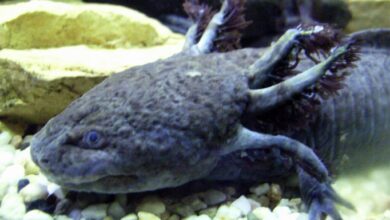
Axolotls had a massive popularity surge in the early 2020s driven largely by their appearance in gaming culture, and that surge created a wave of underprepared owners. By 2025–2026, the community has self-corrected somewhat — there’s better care documentation, more breeders prioritizing health over color morphs, and a clearer understanding that axolotls are not beginner pets despite being marketed that way.
Here’s what they actually need: cold, clean, well-cycled water (60–68°F is the target range), a bare-bottom or fine-sand tank of at least 20 gallons, low flow filtration, and a diet of earthworms and high-quality pellets. They cannot tolerate ammonia spikes. A cycled tank is non-negotiable — and cycling takes 4–6 weeks before you even add the animal.
What they offer in return is genuinely compelling. They’re interactive in a low-key way — they learn feeding schedules, they react to your presence, and their appearance (those external gills, that permanent grin) is unlike anything else you can legally keep. A leucistic or wild-type axolotl from a reputable breeder runs $30–$60. The tank setup is where costs climb: expect $200–$400 for everything done properly, including a chiller if you live somewhere that gets warm summers.
What Doesn’t Work: Four Approaches to Avoid
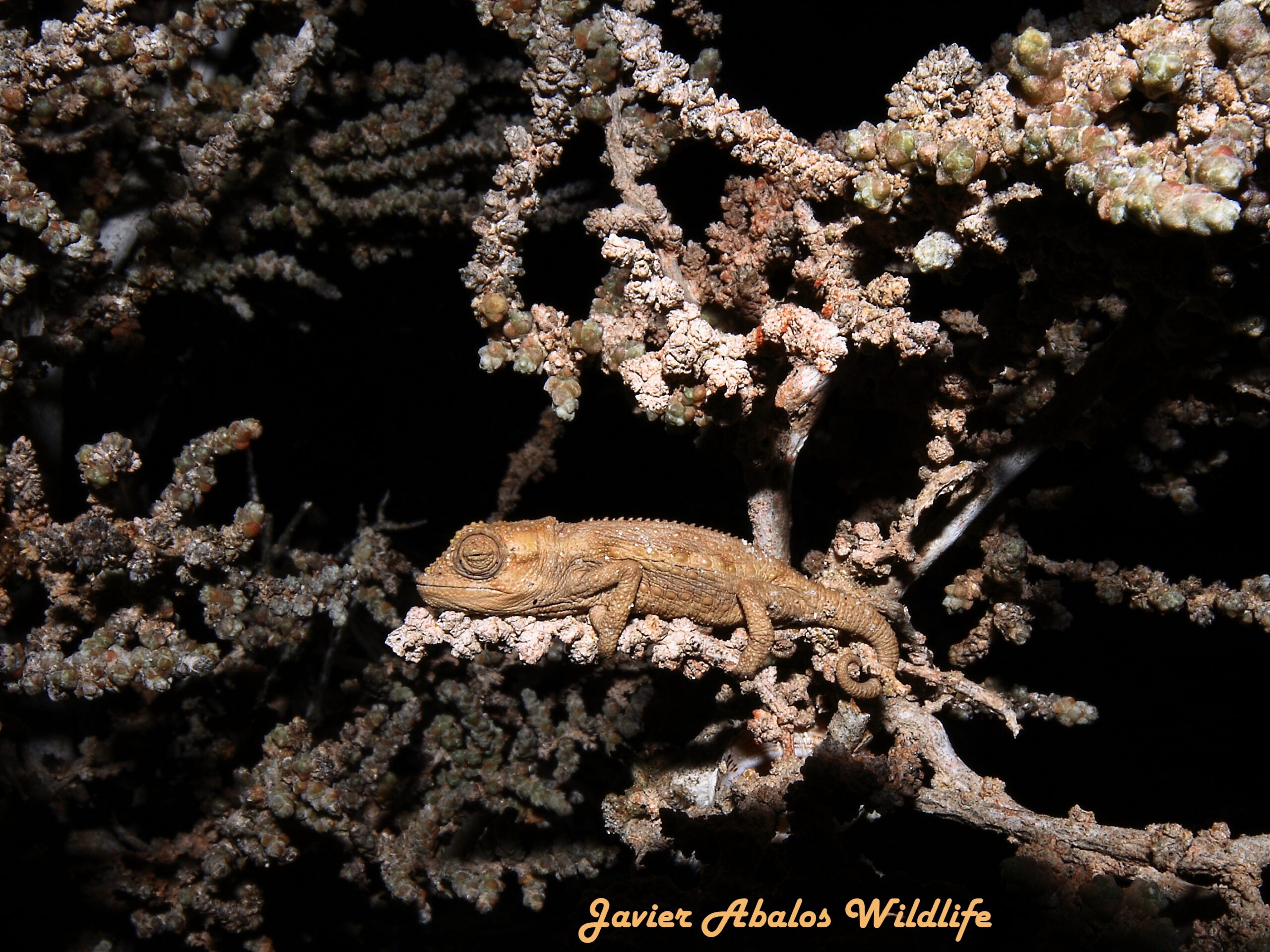
1. Buying based on aesthetics alone. Chameleons are stunning. They’re also among the most stress-sensitive reptiles in the hobby, require misting systems, precise temperature gradients, and will refuse to eat if their environment is even slightly off. The gap between “beautiful animal” and “animal I can actually keep healthy” is real.
2. Getting an exotic pet as a “low-maintenance” alternative to a dog. Nothing in this article is low-maintenance. Different-maintenance, yes. Ball pythons don’t need walks. Axolotls don’t need socialization. But every single animal here requires specific environmental controls, regular monitoring, and a vet who actually knows what they’re looking at.
3. Sourcing from big-box pet stores without asking questions. I’m not going to tell you every chain pet store is a dead end — but I will tell you to ask where the animal came from, how long it’s been in store, and whether it’s eating. Wild-caught or stressed animals with unknown histories are a gamble that usually costs more in vet bills than the savings justify.
4. Skipping the vet relationship until something is wrong. Exotic vets book out. Finding one before you have an emergency — and establishing care — is one of the highest-value things you can do in the first month of ownership. Emergency exotic vet visits can run $300–$500 before treatment. A baseline wellness visit when things are calm is $75–$150 at most practices and gives you a provider you can call when things aren’t calm.
A Real Week in the Life (With the Mess Included)
I kept a ball python for four years. Tuesday nights were feeding nights — thawed mouse in a paper bag, then tongs, then back in the enclosure. Most weeks: 90 seconds, done. One November, she refused for six consecutive weeks. I weighed her every two weeks (she was stable), monitored humidity (it was fine), watched for respiratory symptoms (none). She started eating again in January like nothing happened.
That’s the texture of exotic pet ownership that nobody shows you. It’s not dramatic. It’s mostly maintenance with occasional puzzles. The puzzle stretches are where you either fall deeper in or decide this isn’t for you. Neither answer is wrong.
Start Here This Week
If you’re seriously considering one of these animals, here’s what to do before you spend a dollar on an enclosure:
- Spend one hour on the species-specific subreddit or forum for the animal you’re considering. Read the pinned posts. Look at what questions come up constantly — those are the problems you will also have.
- Call one exotic vet in your area and ask if they see that species. If the answer is no, ask for a referral. Do this before you own the animal.
- Price out the full setup — enclosure, heating, lighting, substrate, hides, food for 60 days — and add 20% for the thing you forgot. If that number still feels right, you’re probably ready to move forward.
The animal you pick matters less than the research you do before you pick it. That’s the part that’s actually in your control.